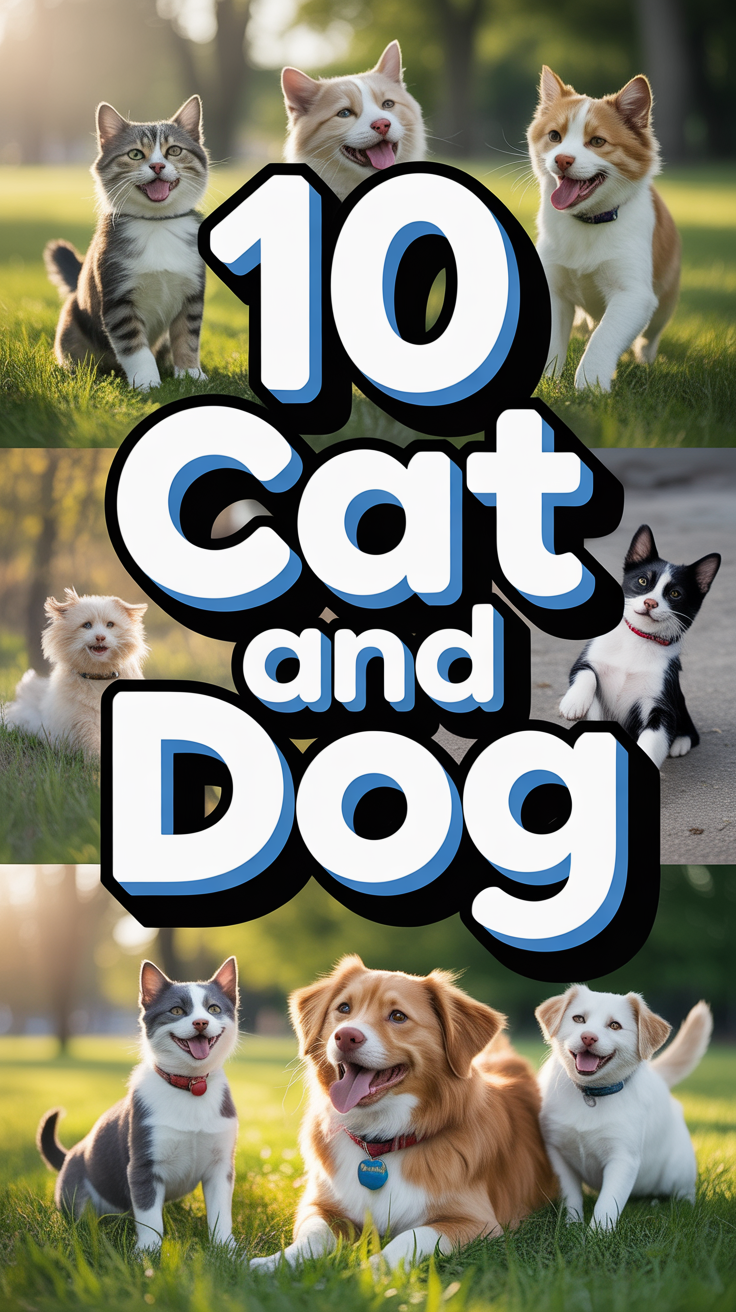
🐾 10 Cat And Dog
🐕 The Happy Pet Foundation Kit
Being a pet parent is incredibly rewarding, but it comes with unique challenges. Instead of wasting money on toys they'll destroy in five minutes, these are the 5 rugged, vet-recommended essentials that physically and mentally enrich your pets' lives every single day.
🔴 KONG Classic Durable Rubber Dog Toy
The absolute gold standard for canine mental stimulation. Stuff this ultra-durable rubber cone with peanut butter and freeze it—it instantly cures separation anxiety, stops destructive chewing out of boredom, and keeps high-energy dogs quietly occupied for hours.
🌸 Catit Flower Water Fountain
Cats notoriously hate stagnant water, which often leads to dangerous dehydration and kidney issues. This constantly flowing, triple-filtered fountain aggressively encourages pets to drink more water while keeping it entirely free of hair and dirt.
✂️ FURminator Undercoat deShedding Tool
Stop vacuuming your house twice a day. This patented grooming tool safely reaches through the topcoat to remove loose hair and undercoat without cutting the skin. Using it just once a week reduces loose pet shedding by up to 90%.
💩 Earth Rated Leak-Proof Dog Poop Bags
Never risk a disaster on a walk again. These incredibly thick, surprisingly pleasant lavender-scented bags are 100% guaranteed leak-proof. They seamlessly tear off the roll without ripping, making the worst part of dog ownership significantly better.
🥣 Outward Hound Slow Feeder Dog Bowl
Dogs that inhale their food are at high risk for bloating and poor digestion. The puzzle ridges in this heavy-duty bowl force your pet to forage for their kibble, dramatically slowing their eating pace while turning dinner time into a healthy brain game.
Alright, fellow pet parent, let’s get real. Living with a dynamic duo of fur – a cat and a dog – can feel like co-hosting a chaotic reality show. One minute they’re snoozing together, the next it’s a full-blown chase scene over a rogue kibble. Sound familiar? We’ve all been there, wondering if peace is even a possibility. Good news, it totally is. We’re about to drop some wisdom bombs that’ll turn your multi-pet madness into a harmonious haven. No more refereeing required, just pure, unadulterated animal adoration.

1. Separate Dining Zones
Let’s be honest, few things cause more drama than food. Your dog probably thinks the cat’s bowl is a bonus snack bar, and your cat is definitely not sharing. Setting up distinct feeding stations is a non-negotiable. Give your cat a safe, elevated spot – think a counter, a cat tree, or a shelf – where Fido simply can’t reach. It’s their exclusive bistro, free from canine-induced culinary disruptions.
Pro tip: Feed them at the same time but in different areas. This way, neither feels like they’re missing out on the gourmet experience. It cuts down on the frantic gobbling and general food-related shenanigans. Trust us, a peaceful mealtime is a game changer for everyone involved.
2. Elevated Cat Spaces
Cats are basically tiny, fluffy ninjas who thrive on verticality. Dogs, bless their hearts, are usually ground dwellers. Give your feline overlord plenty of high-up perches. Cat trees, shelves, or even just clearing off a bookcase give them a safe escape route when the doggo energy gets a bit much. It’s their personal fortress of solitude, away from wagging tails and slobbery kisses.
This isn’t just about avoiding conflict; it’s about providing mental enrichment for your cat. They get to survey their kingdom from above, feeling secure and in control. A happy cat means a calmer household, which is a win in anyone’s book.
3. Scent Swapping Socials
Before they even meet, or to reinforce their bond, get them used to each other’s scent. Rub a cloth on your cat and then let your dog sniff it, and vice versa. It’s like sending them a polite “hello, this is my vibe” message. This low-stress introduction helps them understand they’re part of the same tribe, reducing potential anxiety.
Pro tip: Place their bedding near each other’s sleeping spots (but not too close initially). They’ll absorb each other’s scent passively, making future interactions feel less foreign. It’s a subtle way to build familiarity without any awkward forced introductions.
4. Supervised Playtime Sessions
When they do interact, keep an eagle eye on them. Short, positive, and supervised play sessions are key. Use treats and praise to reward calm behavior from both. If things get too rowdy or one seems stressed, gently separate them and try again later. It’s all about teaching them good manners around each other.
Remember, dogs often play rougher than cats, so ensure the cat always has an exit strategy. A sudden bark or a playful nip might be fine for a dog, but terrifying for a cat. Keep it chill, keep it short, and always end on a good note. You’re basically their personal playdate coordinator.
5. Individual Attention Is Essential
Don’t fall into the trap of lumping them together. Both your cat and your dog need their own dedicated, one-on-one time with you. Whether it’s a solo cuddle session, a special play, or just some quiet petting, make sure each feels like your favorite (even if they both are). This prevents jealousy and strengthens your individual bonds.
A few minutes of focused attention can make a huge difference. Your dog gets their walk without the cat trying to tag along, and your cat gets their specific laser pointer chase without the dog trying to eat the light. It keeps them feeling valued and loved, which translates to a happier coexistence.
6. Strategic Toy Management
Toy wars are a real thing, especially when a dog decides the cat’s favorite feather wand is actually a chew toy. Have specific toys for each pet and try to keep them separate. Cat toys often have small parts or catnip, which aren’t always dog-friendly. Conversely, a giant slobbery rope toy might not be a cat’s cup of tea.
Pro tip: Rotate toys to keep things interesting and prevent resource guarding. When they do play together, offer a variety of toys so they don’t have to fight over the same one. It’s about providing options and minimizing potential squabbles over prized possessions.
7. Litter Box Location Logic
This one’s a classic. Dogs, for reasons unknown to humanity, are often fascinated by cat litter boxes. To avoid an unfortunate (and unsanitary) snack time for your dog, put the litter box somewhere only your cat can access. Think baby gates with cat doors, high shelves, or a room the dog just can’t get into. Your nose will thank you, trust us.
A clean, private litter box also makes your cat feel more secure. If they feel their bathroom isn’t safe, they might find other less-than-ideal spots. Happy cat, happy bladder, happy home. It’s a win-win-win situation.
8. Basic Training for Both
Yep, even your cat can learn a trick or two, and your dog definitely needs those manners reinforced. Teaching your dog commands like “leave it” or “stay” can be invaluable when they get a little too curious about the cat. For cats, target training or coming when called can be surprisingly effective. A well-behaved pet is a happier pet, and a well-behaved duo is pure gold.
Consistency is your best friend here. Reward good behavior immediately. It helps both animals understand boundaries and expectations, making their interactions smoother and less stressful for everyone involved. You’re basically teaching them the rules of polite society, one treat at a time.
9. Create Safe Retreat Zones
Beyond the elevated cat perches, ensure both animals have a space they can call their own, where they won’t be bothered. This might be a dog crate (left open for them to enter voluntarily), a cozy bed in a quiet corner, or a cat bed under a table. These are their private chill zones, essential for destressing.
Pro tip: Never force an interaction in these zones. These are sacred spaces for unwinding and feeling safe. Respecting their need for personal space goes a long way in building trust and reducing anxiety, leading to a much more peaceful household dynamic.
10. Patience, Always Patience
Rome wasn’t built in a day, and neither is a perfect cat and dog friendship. It takes time, consistency, and a whole lot of patience from your end. There will be setbacks, there will be moments where you question everything, but stick with it. Celebrate the small victories – a shared nap, a gentle sniff, ignoring each other peacefully. They’re all progress.
Remember, every animal is an individual. What works for one pair might need tweaking for another. Keep observing, keep adapting, and keep showering them with love. The bond they eventually form will be incredibly rewarding, making all the effort totally worth it.
🐾 The Ultimate Pet Care & Cleanup Kit
We love our animals, but we don't love the messes they make. From muddy paws to unexpected accidents, these are the 5 ultimate cleanup and home-care tools you need to keep your house smelling fresh and looking spotless despite the chaos.
🛋️ ChomChom Pet Hair Remover Roller
Throw away your sticky tape lint rollers. By rapidly rolling this tool back and forth, it generates an electrostatic charge that magically pulls deeply embedded dog and cat hair out of couches, beds, and carpets. It's completely reusable and requires no batteries or tape.
🧼 BISSELL Little Green Portable Carpet Cleaner
The ultimate lifesaver for pet owners. Whether it's muddy paw prints, spilled wine, or an unexpected puppy accident, this portable spot-cleaner aggressively scrubs and vacuums stains straight out of your carpets and delicate upholstery before they can set in.
🧪 Rocco & Roxie Enzymatic Stain Eliminator
Regular cleaners just mask smells. This professional-strength bio-enzymatic formula physically eats away deep-set ammonia crystals from pet urine, completely destroying the stain and the odor forever so your pet won't be tempted to mark the same spot again.
🍊 Angry Orange Pet Odor Eliminator
Derived from the oil of custom cold-pressed orange peels, this commercial-grade deodorizer doesn't just cover up 'wet dog' smells or litter box odors—it utterly neutralizes them. A tiny spray leaves your entire home smelling like a fresh citrus grove.
🚫 Seresto 8-Month Flea & Tick Collar
The mess-free alternative to greasy monthly topical treatments. This vet-recommended collar continuously releases low concentrations of active ingredients for eight straight months, killing and repelling fleas and ticks before they can infest your house.
Conclusion
So, there you have it, folks. Ten solid ways to turn that cat-and-dog “situation” into a harmonious partnership. It’s not always easy, and yes, you might still catch them giving each other the side-eye occasionally. But with a little savvy planning, a dash of humor, and a whole lot of love, you can absolutely create a household where your feline and canine companions don’t just coexist, they thrive. Go forth and foster that furry friendship – your calm, happy home awaits!