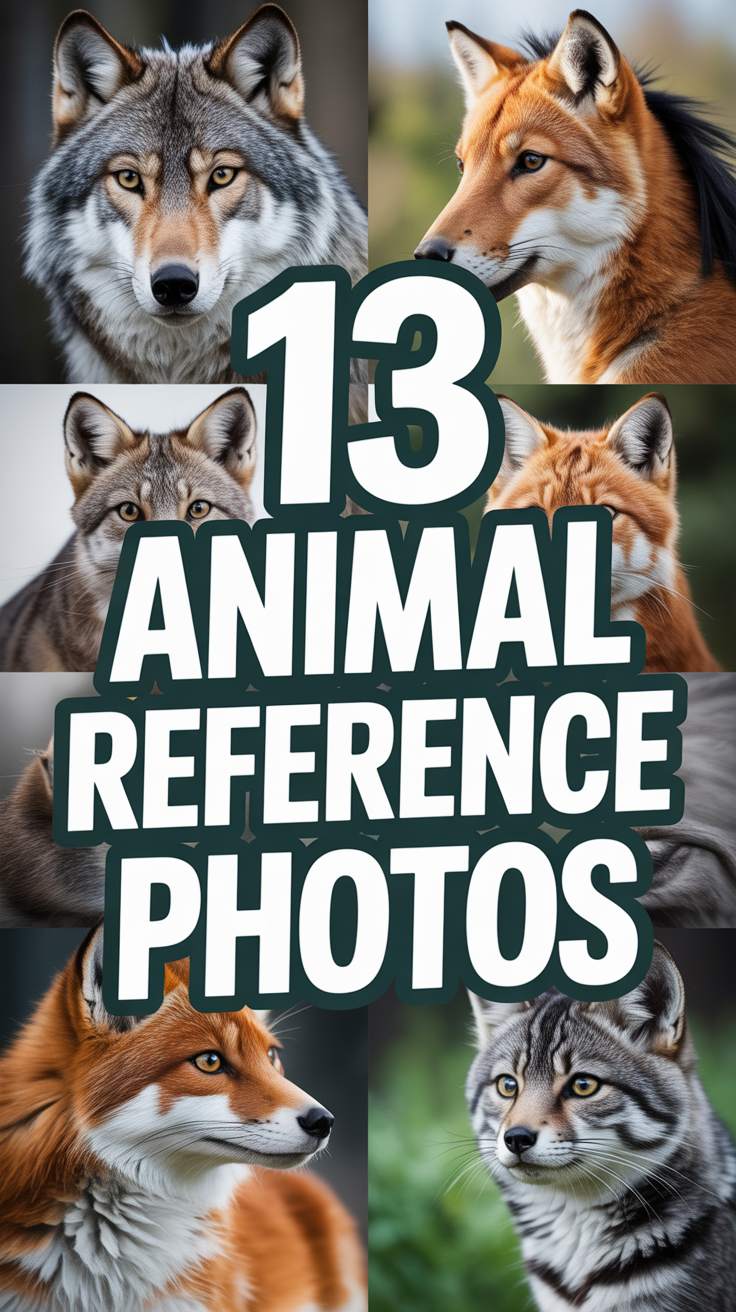
📸 13 Animal Reference Photos
Hey, fellow creative! Ever hit that wall where your latest masterpiece feels… flat? Or maybe you’re just looking for some serious inspo for your next big thing? We get it. Sometimes, you just need that perfect visual nudge. And honestly, what’s better than animals for that? They’re basically walking, posing, furry muses.
Forget scrolling endlessly through stock photos that just don’t quite hit right. We’ve rounded up the absolute best types of animal reference photos that will get your creative juices flowing faster than a cheetah chasing its dinner. Trust us, your art (and your mood) will thank you.
1. Dynamic Action Shots
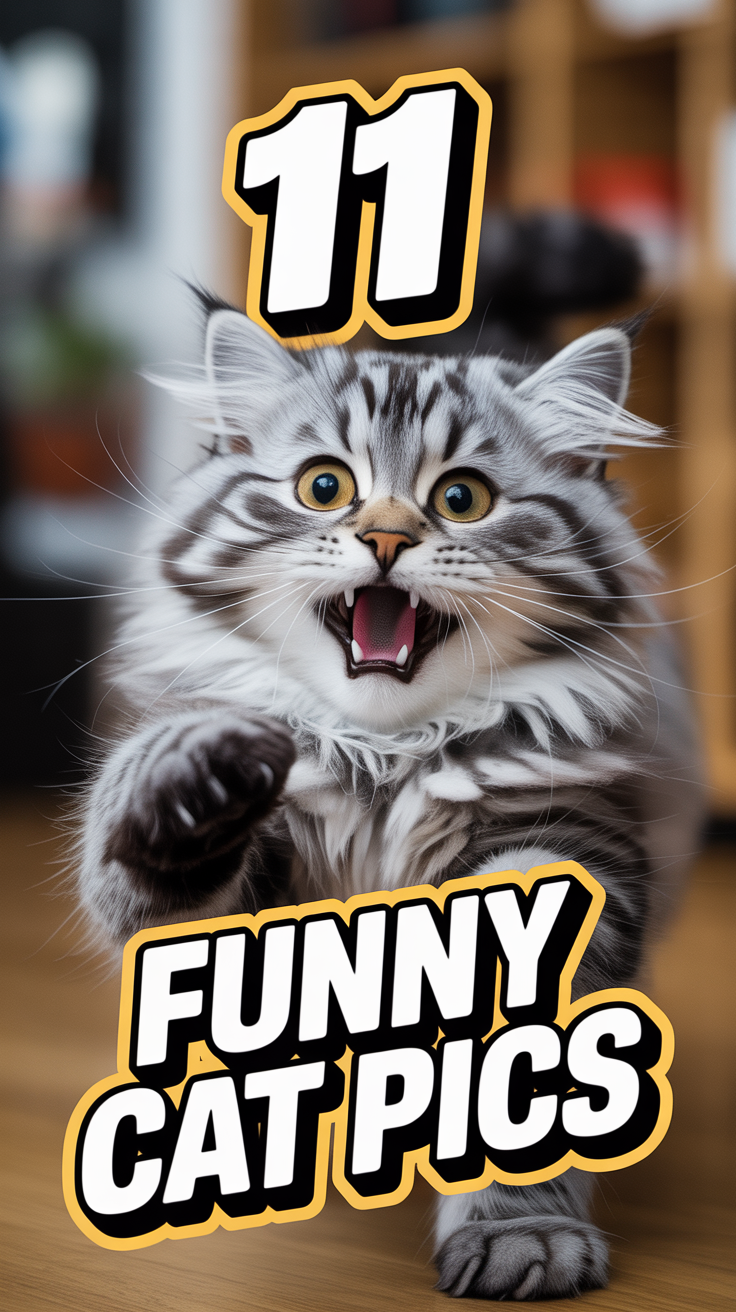
Ready to capture some serious energy? Think animals mid-leap, sprinting across a field, or playfully wrestling. These shots are all about raw power and motion. You’re looking for that split second where everything just clicks.
Pro Tip: Use a fast shutter speed to freeze the action. Focus on capturing the peak of movement, like a paw just leaving the ground or a tail mid-swish. It makes your subject feel alive, not static.
Why it works: They bring incredible vitality to any project, showcasing natural athleticism and grace.
2. Close-Up Portraits
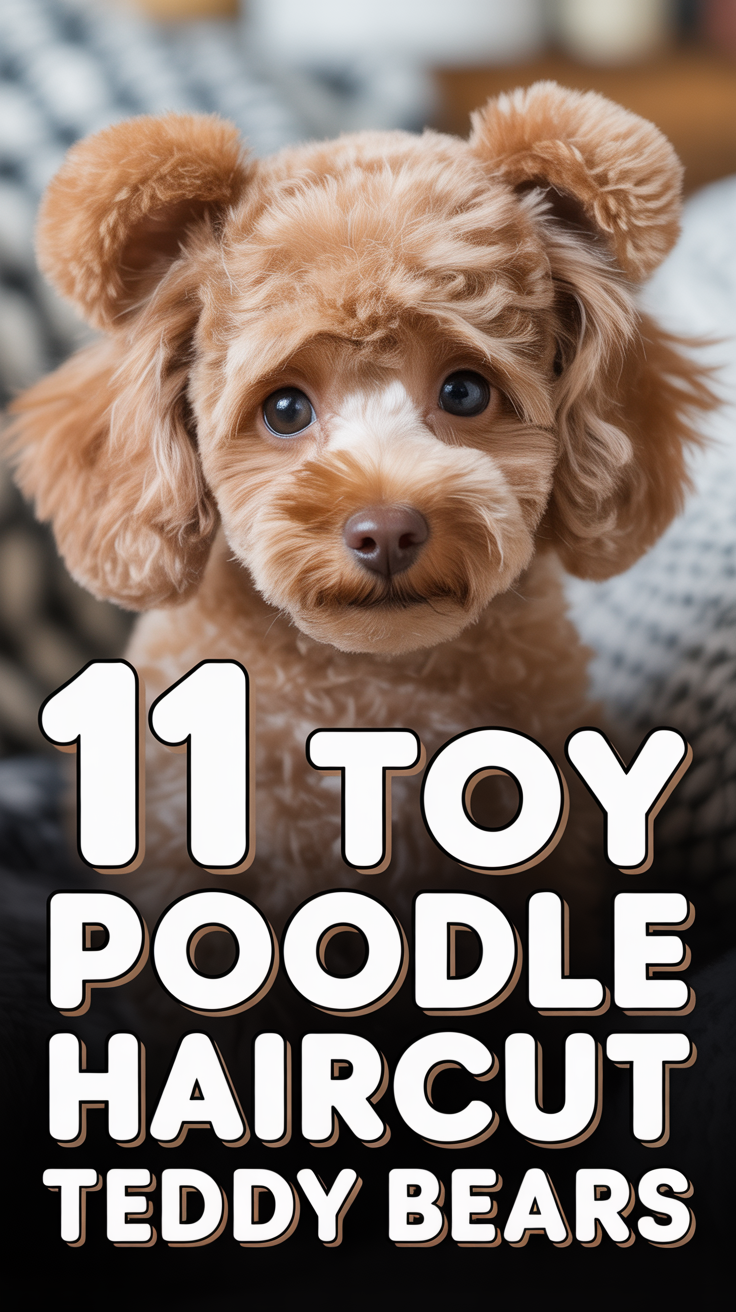
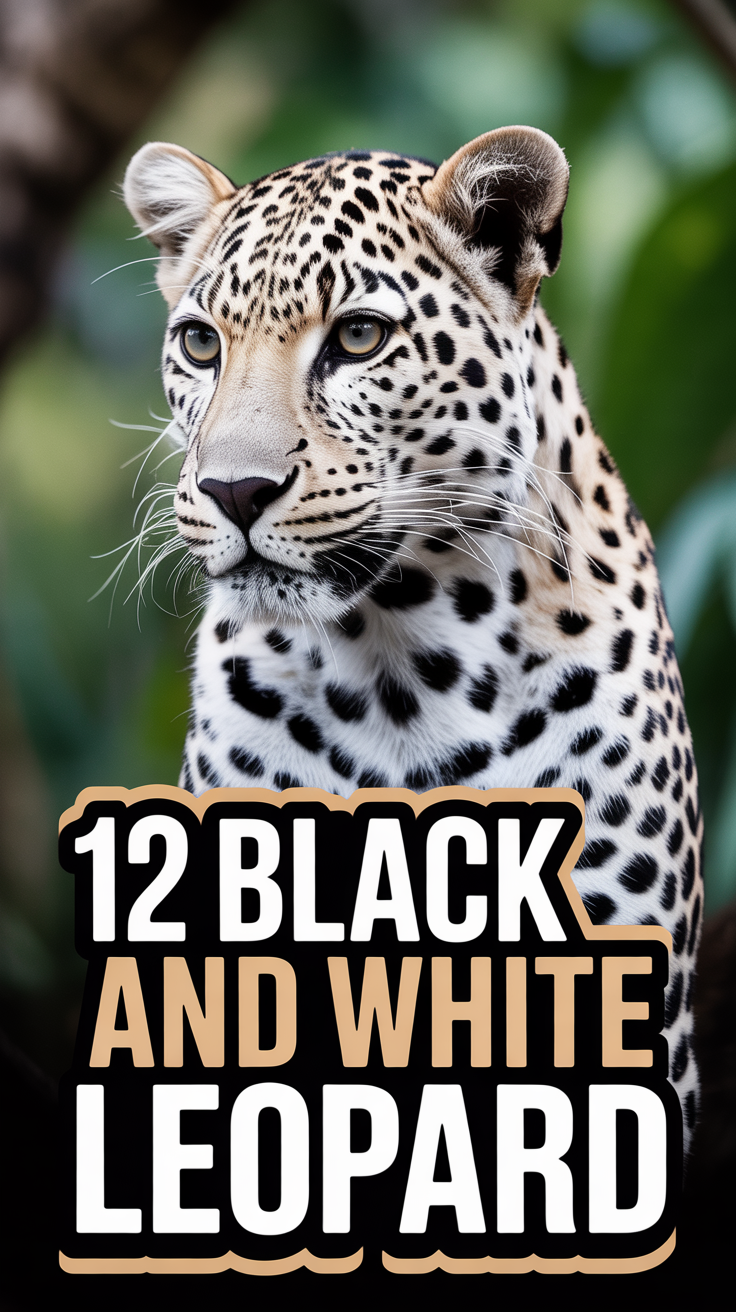
Dive deep into their world with a tight shot of an animal’s face. We’re talking eyes, whiskers, fur texture – all the glorious details. Each wrinkle and strand tells a story, giving your subject undeniable personality.
Pro Tip: Get down to their eye level. This creates a more intimate connection and makes the viewer feel like they’re truly engaging with the animal. Pay attention to the catchlight in their eyes for extra sparkle.
Why it works: These shots reveal the unique character and soul of an animal, making them incredibly engaging.
3. Sleepy Snuggles
Who doesn’t love a good nap? Animals curled up, stretching luxuriously, or even just a paw tucked under their chin. These photos radiate peace and adorable vulnerability. Seriously, try not to “aww” out loud.
Pro Tip: Look for soft, diffused lighting. Early morning or late afternoon light often works wonders, enhancing that cozy, dreamy vibe. Don’t be afraid of a little blur; it adds to the sleepy atmosphere.
Why it works: They evoke feelings of comfort and tranquility, perfect for a softer, more gentle aesthetic.
4. Curious Critters
Catch them in the act of exploration! A head tilted, an ear perked, a nose twitching as they investigate something new. These moments are gold for conveying intelligence and an inquisitive spirit.
Pro Tip: Patience is your best friend here. Wait for them to engage with their environment. Sometimes, a quiet rustle or a new scent is all it takes to spark that delightful curiosity. Their expressions are key.
Why it works: They add narrative and a sense of discovery, making the viewer wonder what the animal is thinking.
5. Majestic Silhouettes
Frame your animal against a stunning sunrise or sunset. The dramatic backlighting creates a powerful outline, emphasizing form and shape without getting bogged down in intricate details. It’s pure, understated drama.
Pro Tip: Position yourself so the sun is directly behind your subject. Ensure there are no distracting elements in the background that would break the clean silhouette. A strong profile always helps.
Why it works: These photos offer a striking visual impact, focusing on the animal’s iconic shape and presence.
6. Unusual Angles
Break free from eye-level shots! Photograph animals from above, below, or peeking through foliage. A worm’s-eye view of a towering giraffe or a bird’s-eye view of a cat napping. It completely transforms perception.
Pro Tip: Experiment with getting low to the ground or finding elevated vantage points. This fresh perspective can reveal details or compositions you’d totally miss otherwise. Don’t be afraid to get a little dirty.
Why it works: They challenge conventional views, adding depth and a unique artistic flair to your references.
7. Playful Poses
Animals interacting with toys, their environment, or even each other. A dog mid-fetch, a cat batting at a feather, or two fawns playfully butting heads. These shots are pure joy and personality.
Pro Tip: Have some treats or toys ready to encourage interaction. Sometimes, just observing them in their natural playful state yields the best results. Capture the moment they’re genuinely engaged.
Why it works: They inject a sense of fun and lightheartedness, perfect for projects needing a cheerful vibe.
8. Wet Wonders
Animals swimming, shaking off water, or caught in the rain. The way water interacts with fur and feathers creates incredible textures and dynamic effects. Think glistening coats and flying droplets.
Pro Tip: Protect your camera, obviously! But also, anticipate the shake. Animals often shake from head to tail, so try to capture that motion blur or the droplets mid-air. It’s all about timing.
Why it works: These photos offer fantastic textural detail and convey a sense of refreshing movement and raw nature.
9. Feathered Friends in Flight
Birds soaring, landing, or hovering. Capturing the grace and power of a bird in motion is incredibly challenging but so rewarding. Those outstretched wings and focused gazes are simply captivating.
Pro Tip: A fast shutter speed is non-negotiable here. Practice tracking birds with your camera before they even take off. Focus on the eyes and try to get a clear shot of the wing patterns.
Why it works: They symbolize freedom and elegance, providing stunning references for dynamic and ethereal art.
10. Tiny Details Macro Shots
Zoom in on the intricate beauty of the small stuff: an insect’s iridescent wings, the delicate texture of a paw pad, or the intricate pattern of a snake’s scales. The world looks completely different up close.
Pro Tip: Use a macro lens if you have one, or even a close-up filter. Good lighting is crucial to highlight those tiny textures without casting harsh shadows. Stability is key for sharp focus.
Why it works: They reveal hidden wonders and provide a wealth of unique textural and structural information.
11. Habitat Heroes
Showcase animals in their natural environment. A bear in a forest, a penguin on an ice floe, or a deer grazing in a meadow. These shots provide context and highlight the animal’s relationship with its surroundings.
Pro Tip: Think about the “rule of thirds” for composition, placing the animal off-center to include more of the habitat. Look for natural leading lines that draw the eye to your subject within the scene.
Why it works: They offer a broader narrative, illustrating the animal’s place in the ecosystem and providing environmental context.
12. Expression Extravaganza
Capture those fleeting, often hilarious, expressions. An animal mid-yawn, a playful snarl, a look of pure confusion, or even a “smile.” These are the moments that truly show personality and emotion.
Pro Tip: Be ready for anything! Keep your camera up and focused during interactions or when the animal is settling down. Sometimes the best expressions are totally unplanned and spontaneous.
Why it works: They bring an unparalleled level of character and relatability, making your subject instantly more engaging.
13. Group Dynamics
Photograph herds, packs, or flocks interacting. The intricate social structures, synchronized movements, or individual personalities within a group. It’s a complex dance of life and connection.
Pro Tip: Look for moments of interaction between individuals within the group, not just the group as a whole. Focus on a smaller cluster to tell a more intimate story while still showing the larger context.
Why it works: These photos provide rich material for complex compositions and storytelling, highlighting social bonds and behaviors.
Conclusion
So there you have it, your ultimate cheat sheet for finding or creating those next-level animal reference photos. Seriously, stop making excuses and start snapping (or searching smarter). Whether you’re an artist, a designer, or just someone who appreciates a good aesthetic, these dynamic, detailed, and downright adorable images are your secret weapon.
Go forth and create something amazing. Your inner wild child (and your portfolio) will thank you for it!