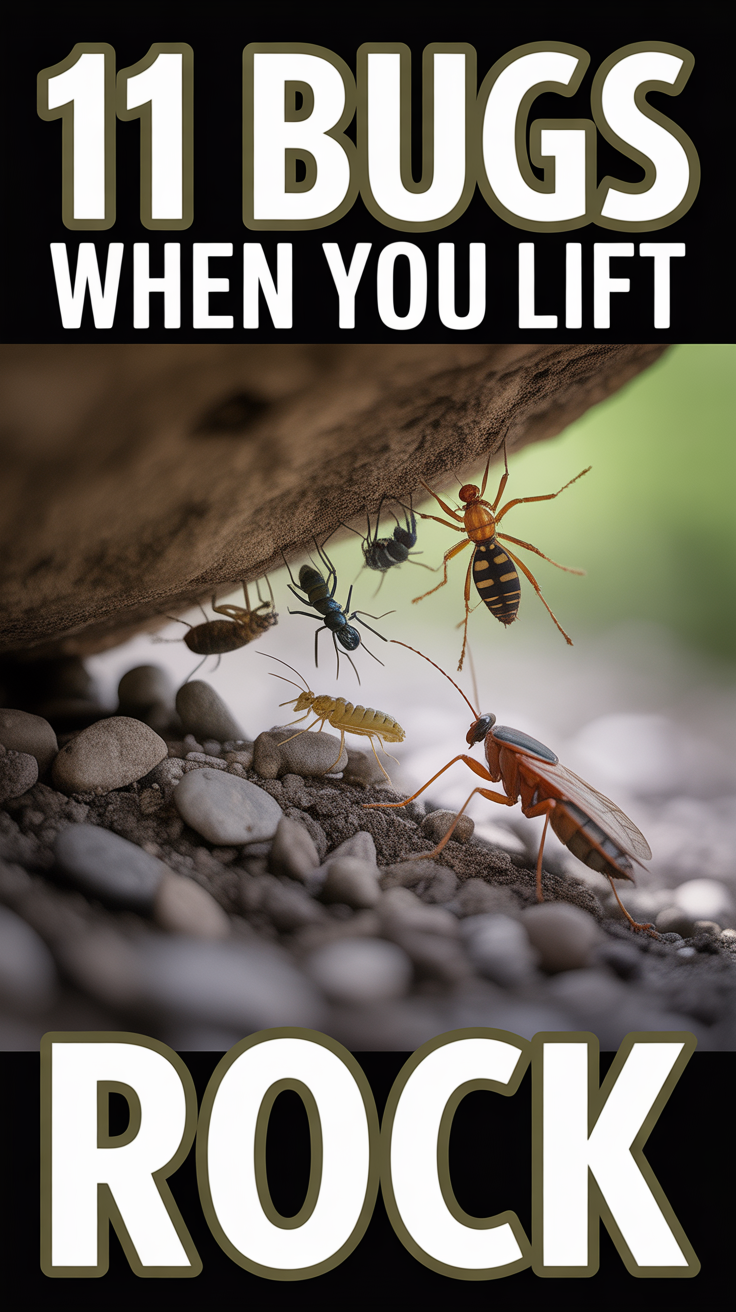
🪨 11 Bugs When You Lift A Rock
🐕 The Happy Pet Foundation Kit
Being a pet parent is incredibly rewarding, but it comes with unique challenges. Instead of wasting money on toys they'll destroy in five minutes, these are the 5 rugged, vet-recommended essentials that physically and mentally enrich your pets' lives every single day.
🔴 KONG Classic Durable Rubber Dog Toy
The absolute gold standard for canine mental stimulation. Stuff this ultra-durable rubber cone with peanut butter and freeze it—it instantly cures separation anxiety, stops destructive chewing out of boredom, and keeps high-energy dogs quietly occupied for hours.
🌸 Catit Flower Water Fountain
Cats notoriously hate stagnant water, which often leads to dangerous dehydration and kidney issues. This constantly flowing, triple-filtered fountain aggressively encourages pets to drink more water while keeping it entirely free of hair and dirt.
✂️ FURminator Undercoat deShedding Tool
Stop vacuuming your house twice a day. This patented grooming tool safely reaches through the topcoat to remove loose hair and undercoat without cutting the skin. Using it just once a week reduces loose pet shedding by up to 90%.
💩 Earth Rated Leak-Proof Dog Poop Bags
Never risk a disaster on a walk again. These incredibly thick, surprisingly pleasant lavender-scented bags are 100% guaranteed leak-proof. They seamlessly tear off the roll without ripping, making the worst part of dog ownership significantly better.
🥣 Outward Hound Slow Feeder Dog Bowl
Dogs that inhale their food are at high risk for bloating and poor digestion. The puzzle ridges in this heavy-duty bowl force your pet to forage for their kibble, dramatically slowing their eating pace while turning dinner time into a healthy brain game.
Ever get that primal urge to just… flip over a rock? Don’t lie, we all do. There’s something undeniably thrilling about peering into that tiny, secret world beneath, a miniature ecosystem thriving in the damp darkness. It’s like opening a surprise box, but instead of confetti, you get a whole bunch of squiggly, scurrying, and sometimes surprisingly cute critters. So grab your imaginary magnifying glass, because we’re diving into the underground party scene.
1. Pill Bugs (aka Roly-Polies)
You know these guys. The OG rock dwellers. They’re basically nature’s tiny armored tanks, rolling into a perfect little sphere when they feel threatened. It’s like their defense mechanism is a built-in yoga pose. These crustaceans (yep, related to shrimp!) are total decomposers, chowing down on dead plant matter and helping enrich the soil. Pro tip: Gently roll them back into their spot; they’re sensitive to light and dry air.
They’re proof that even the smallest creatures play a huge role in keeping our world tidy. Plus, they’re just plain cute when they curl up.
2. Centipedes
Okay, these guys are the rock stars of the creepy-crawly world. They’re fast, they’re fierce, and they have way too many legs for comfort. Most centipedes you find under a rock are harmless to humans, but they’re total predators to other small insects. They move like a miniature wave, all those legs working in perfect, terrifying unison. Pro tip: Admire their speed, but maybe don’t try to pet them. They can deliver a mild, bee-sting-like bite if provoked.
Their efficiency as hunters keeps other bug populations in check, making them tiny, leggy guardians of the garden.
3. Millipedes
Don’t confuse them with centipedes, even though they share the “many legs” vibe. Millipedes are slower, gentler, and have two pairs of legs per body segment (centipedes have one). They’re the chill vegetarians of the underground, munching on decaying plant matter. When threatened, they often coil into a spiral or release a foul-smelling liquid. Pro tip: Their defensive funk is a good reason to wash your hands after handling, but they’re totally harmless otherwise.
These slow movers are essential composters, turning dead leaves into nutrient-rich soil. Give them a round of applause for their eco-friendly efforts.
4. Earthworms
The unsung heroes of soil health, earthworms are basically nature’s plows. They tunnel through the dirt, aerating it and bringing nutrients to the surface. You’ll often find them coiled up under rocks, enjoying the cool, moist conditions. They’re surprisingly strong for their size, capable of moving a lot of soil. Pro tip: If you find a few, consider it a sign of healthy soil in your garden. They’re doing all the hard work for you.
These wiggly wonders are crucial for plant growth, proving that sometimes, the simplest creatures have the biggest impact.
5. Slugs and Snails
Ah, the slimy duo. You’ll often spot these gastropods seeking refuge from the sun under rocks, enjoying the damp, dark environment. Snails come with their built-in mobile homes, while slugs are just out there, living their best naked life. They both glide along on a layer of mucus, leaving those tell-tale trails. Pro tip: While some can be garden pests, many are important decomposers, breaking down organic matter. Just don’t let them near your prize-winning lettuce.
Their slow-motion existence reminds us that even at a snail’s pace, you can still get where you need to go.
6. Spiders
Not all spiders spin elaborate webs. Many are ground dwellers, preferring to ambush their prey or hunt actively. Under rocks, you might find wolf spiders, tarantulas (in warmer climates), or various other types seeking shelter. They’re excellent pest control, munching on other insects. Pro tip: Most rock-dwelling spiders are more scared of you than you are of them. Give them space, and they’ll usually scurry away.
These eight-legged acrobats are vital predators, keeping the bug population balanced and showing off their impressive hunting skills.
7. Ants
Lift a rock and BOOM, instant ant city. You’ve just exposed an entire bustling metropolis, complete with nurseries, food storage, and worker ants frantically trying to move eggs and larvae to safety. Ants are incredibly social insects, working together in complex colonies. Pro tip: Quickly replace the rock. They’re doing important work, and their larvae are very vulnerable to light and dryness.
Their teamwork and intricate societies are a masterclass in cooperation. You’ve got to respect their hustle.
8. Beetles
From shiny ground beetles to tiny rove beetles, these hard-shelled insects are common under-rock residents. Many ground beetles are nocturnal predators, hunting slugs and other insects, while others might be scavenging. They come in an incredible variety of shapes, sizes, and colors. Pro tip: Look for their quick, darting movements when you uncover them. They’re surprisingly fast when they want to be.
Beetles are an incredibly diverse group, proving that good things (and important ecological roles) come in all sorts of packages.
9. Salamanders and Newts
A true hidden gem! Finding a salamander or newt under a rock is like hitting the jackpot. These amphibians love cool, moist environments and often hide during the day to avoid drying out. They’re super important indicators of environmental health, as they’re very sensitive to pollution. Pro tip: If you find one, gently replace the rock exactly as you found it. Their skin is delicate, and they rely on that specific microhabitat.
These shy, beautiful creatures are a reminder of the delicate balance in nature and the wonders hiding just beneath the surface.
10. Springtails
You might not even notice these tiny guys at first, but they’re everywhere! Springtails are minuscule, wingless insects that live in the soil and leaf litter. They get their name from a specialized appendage they use to “spring” themselves into the air to escape predators. They’re decomposers, munching on fungi and decaying plant matter. Pro tip: Look closely at the soil surface under the rock; you might see them jumping around like tiny fleas.
These micro-critters are a testament to how much life exists in places we often overlook, playing a crucial role in nutrient cycling.
11. Sow Bugs
Often mistaken for pill bugs, sow bugs are their flatter, less “roly-poly” cousins. They also belong to the crustacean family and share a similar diet of decaying plant matter. The main difference is their inability to curl into a tight ball, and they usually have two small tail-like appendages. Pro tip: Observe their movement; they tend to scurry rather than roll up, giving away their identity.
These little guys are just as important as pill bugs in breaking down organic material, making them essential members of the underground cleanup crew.
🐾 The Ultimate Pet Care & Cleanup Kit
We love our animals, but we don't love the messes they make. From muddy paws to unexpected accidents, these are the 5 ultimate cleanup and home-care tools you need to keep your house smelling fresh and looking spotless despite the chaos.
🛋️ ChomChom Pet Hair Remover Roller
Throw away your sticky tape lint rollers. By rapidly rolling this tool back and forth, it generates an electrostatic charge that magically pulls deeply embedded dog and cat hair out of couches, beds, and carpets. It's completely reusable and requires no batteries or tape.
🧼 BISSELL Little Green Portable Carpet Cleaner
The ultimate lifesaver for pet owners. Whether it's muddy paw prints, spilled wine, or an unexpected puppy accident, this portable spot-cleaner aggressively scrubs and vacuums stains straight out of your carpets and delicate upholstery before they can set in.
🧪 Rocco & Roxie Enzymatic Stain Eliminator
Regular cleaners just mask smells. This professional-strength bio-enzymatic formula physically eats away deep-set ammonia crystals from pet urine, completely destroying the stain and the odor forever so your pet won't be tempted to mark the same spot again.
🍊 Angry Orange Pet Odor Eliminator
Derived from the oil of custom cold-pressed orange peels, this commercial-grade deodorizer doesn't just cover up 'wet dog' smells or litter box odors—it utterly neutralizes them. A tiny spray leaves your entire home smelling like a fresh citrus grove.
🚫 Seresto 8-Month Flea & Tick Collar
The mess-free alternative to greasy monthly topical treatments. This vet-recommended collar continuously releases low concentrations of active ingredients for eight straight months, killing and repelling fleas and ticks before they can infest your house.
Conclusion
So, the next time you’re feeling adventurous and spot a promising rock, go ahead and give it a flip. You’re not just moving a stone; you’re uncovering a bustling, miniature world full of essential workers, tiny predators, and some surprisingly charming decomposers. It’s a quick, free peek into the secret life of the ground beneath our feet, reminding us that even the smallest spaces hold incredible biodiversity. Who knew so much drama happened just inches below your shoe?