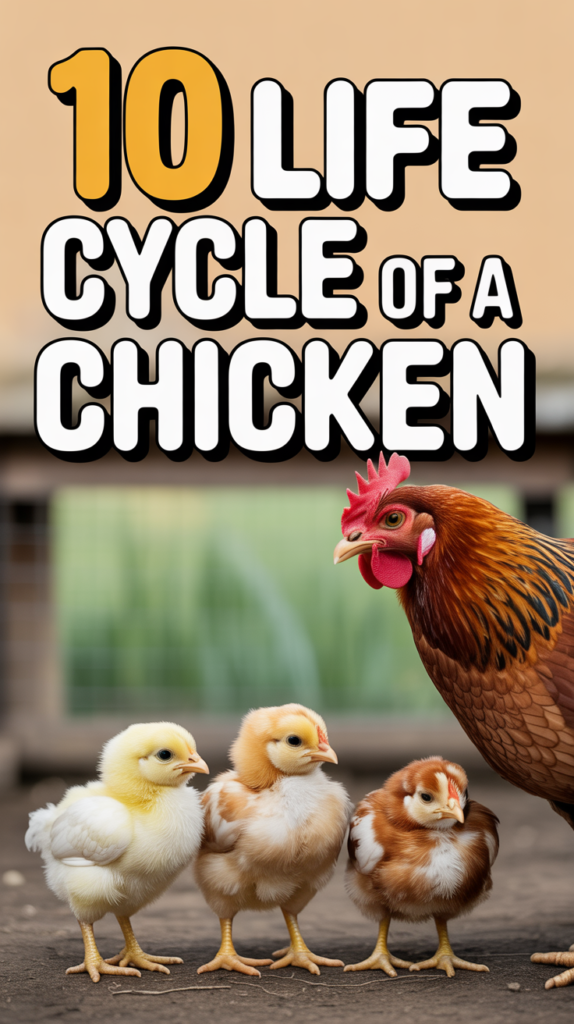
🐔 10 Life Cycle Of A Chicken
🐕 The Happy Pet Foundation Kit
Being a pet parent is incredibly rewarding, but it comes with unique challenges. Instead of wasting money on toys they'll destroy in five minutes, these are the 5 rugged, vet-recommended essentials that physically and mentally enrich your pets' lives every single day.
🔴 KONG Classic Durable Rubber Dog Toy
The absolute gold standard for canine mental stimulation. Stuff this ultra-durable rubber cone with peanut butter and freeze it—it instantly cures separation anxiety, stops destructive chewing out of boredom, and keeps high-energy dogs quietly occupied for hours.
🌸 Catit Flower Water Fountain
Cats notoriously hate stagnant water, which often leads to dangerous dehydration and kidney issues. This constantly flowing, triple-filtered fountain aggressively encourages pets to drink more water while keeping it entirely free of hair and dirt.
✂️ FURminator Undercoat deShedding Tool
Stop vacuuming your house twice a day. This patented grooming tool safely reaches through the topcoat to remove loose hair and undercoat without cutting the skin. Using it just once a week reduces loose pet shedding by up to 90%.
💩 Earth Rated Leak-Proof Dog Poop Bags
Never risk a disaster on a walk again. These incredibly thick, surprisingly pleasant lavender-scented bags are 100% guaranteed leak-proof. They seamlessly tear off the roll without ripping, making the worst part of dog ownership significantly better.
🥣 Outward Hound Slow Feeder Dog Bowl
Dogs that inhale their food are at high risk for bloating and poor digestion. The puzzle ridges in this heavy-duty bowl force your pet to forage for their kibble, dramatically slowing their eating pace while turning dinner time into a healthy brain game.
Ever wondered what goes on behind the scenes before that perfect omelet hits your plate? Or maybe you’re just curious about the clucky drama of the farmyard. Either way, get ready to dive into the epic, surprisingly complex, and totally fascinating journey of a chicken. It’s not just a bird; it’s a saga!
1. The Egg-cellent Beginning
Every chicken story starts with an egg, obviously. But not just any egg – we’re talking about a fertilized egg, courtesy of a proud rooster and a willing hen. This little marvel holds all the genetic blueprints for a future feathered friend.
Pro tip: Keep those potential future chicks at a consistent, warm temperature, or you’ll just end up with breakfast. It’s all about creating the perfect cozy crib for development.
This initial stage is where all the magic quietly brews, an unassuming start to a bustling life.
2. Incubation Station
Once fertilized, that egg needs some serious TLC, usually from a dedicated mama hen or a fancy incubator. For about 21 days, the egg sits tight, maintaining a steady warmth and humidity, allowing the tiny embryo to grow and develop.
Fun fact: Hens will often turn their eggs multiple times a day to prevent the embryo from sticking to the shell and ensure even heating. Talk about dedicated parenting!
This period is crucial; think of it as the chicken’s silent meditation before its grand debut.
3. Pipping and Hatching
After weeks of waiting, the big day arrives! The chick starts “pipping” – using its temporary egg tooth to crack a tiny hole in the shell. Then, it slowly “zips” around, breaking more of the shell until it can push its way out. It’s a full-on workout!
Don’t rush to help a struggling chick; they need to build muscle and absorb the last bits of yolk for energy. Sometimes, nature just knows best.
This dramatic exit marks the chick’s first taste of freedom, albeit a wobbly one.
4. The Fluffy Chick Stage
Welcome to the world, little one! Newborn chicks are covered in soft, downy feathers, hence the irresistible cuteness. They’re pretty helpless, relying entirely on their mother or human caregivers for warmth, food, and protection.
They need a special place called a brooder with a heat lamp to keep them toasty, since they can’t regulate their own body temperature yet. Think of it as their five-star resort.
These tiny bundles of joy are all about eating, sleeping, and growing, setting the foundation for their feathery future.
5. Brooding Buddies
For the first few weeks, chicks are in their brooding phase. They huddle together for warmth and security, learning the ropes from their mom or observing their brooder mates. They grow incredibly fast during this time!
Ensure they always have access to fresh water and a high-protein chick starter feed. No junk food for these growing athletes!
This stage is all about rapid development and learning essential chicken skills, like pecking and scratching.
6. Feathering Out
Around 3-6 weeks, those adorable downy feathers start to be replaced by proper, adult feathers. They’ll look a bit awkward, like a teenager going through a growth spurt, but it’s an important transition as they become more independent and less reliant on external heat.
Keep an eye on their feather development; it can sometimes give clues about their eventual breed or gender, though it’s not foolproof. It’s like predicting a kid’s adult height!
This stage marks their transition from vulnerable fluffballs to more robust, self-sufficient birds.
7. Pullet Power (Teenage Years)
From about 6 weeks to 18-20 weeks, chickens are called “pullets” (females) or “cockerels” (males). These are their awkward teenage years, full of growth spurts, testing boundaries, and figuring out the pecking order. They’re almost fully feathered and starting to look like miniature adults.
Switch them to a grower feed during this time; it provides the right balance of nutrients without overdoing the calcium, which they don’t need yet.
Pullets are bursting with energy, exploring their world, and getting ready for their big moment: laying eggs.
8. First Eggs and Sexual Maturity
Around 18-24 weeks, the moment many chicken keepers eagerly await arrives: the first egg! Pullets become hens, officially reaching sexual maturity. Roosters also become fully mature, ready to impress the ladies with their crowing and strutting.
Transition your hens to a layer feed as they start laying. This feed has higher calcium levels to ensure strong eggshells and healthy hens.
This is when the cycle truly comes full circle, with the hens now capable of continuing the lineage.
9. Adult Chicken Life
Once they’re laying consistently, chickens are considered adults. Hens typically lay eggs for several years, with peak production in their first two years. Roosters continue their important work of protecting the flock and, well, making more chickens.
A balanced diet, clean water, and a safe coop are non-negotiable for happy, productive adult chickens. Happy chickens lay happy eggs!
They settle into their roles, contributing to the flock’s dynamics and providing us with those delicious breakfast staples.
10. Seniority and Natural End
As chickens age, their egg production naturally slows down, and eventually stops. They might become less active, spending more time relaxing and enjoying retirement. Just like us, they reach a point where they’ve lived a full, clucky life.
Provide senior chickens with a comfortable, stress-free environment. They’ve earned it after all those years of hard work!
This final stage reminds us of the full span of life, from a tiny embryo to a seasoned elder of the coop.
🐾 The Ultimate Pet Care & Cleanup Kit
We love our animals, but we don't love the messes they make. From muddy paws to unexpected accidents, these are the 5 ultimate cleanup and home-care tools you need to keep your house smelling fresh and looking spotless despite the chaos.
🛋️ ChomChom Pet Hair Remover Roller
Throw away your sticky tape lint rollers. By rapidly rolling this tool back and forth, it generates an electrostatic charge that magically pulls deeply embedded dog and cat hair out of couches, beds, and carpets. It's completely reusable and requires no batteries or tape.
🧼 BISSELL Little Green Portable Carpet Cleaner
The ultimate lifesaver for pet owners. Whether it's muddy paw prints, spilled wine, or an unexpected puppy accident, this portable spot-cleaner aggressively scrubs and vacuums stains straight out of your carpets and delicate upholstery before they can set in.
🧪 Rocco & Roxie Enzymatic Stain Eliminator
Regular cleaners just mask smells. This professional-strength bio-enzymatic formula physically eats away deep-set ammonia crystals from pet urine, completely destroying the stain and the odor forever so your pet won't be tempted to mark the same spot again.
🍊 Angry Orange Pet Odor Eliminator
Derived from the oil of custom cold-pressed orange peels, this commercial-grade deodorizer doesn't just cover up 'wet dog' smells or litter box odors—it utterly neutralizes them. A tiny spray leaves your entire home smelling like a fresh citrus grove.
🚫 Seresto 8-Month Flea & Tick Collar
The mess-free alternative to greasy monthly topical treatments. This vet-recommended collar continuously releases low concentrations of active ingredients for eight straight months, killing and repelling fleas and ticks before they can infest your house.
Conclusion
See? It’s not just a chicken; it’s a whole journey! From a humble egg to a clucking, feathery friend, the life cycle of a chicken is pretty epic and full of fascinating transformations. Understanding these stages gives you a whole new appreciation for these amazing birds and everything they bring to our lives (and our breakfast plates!). Who knew such a small creature had such a big story?