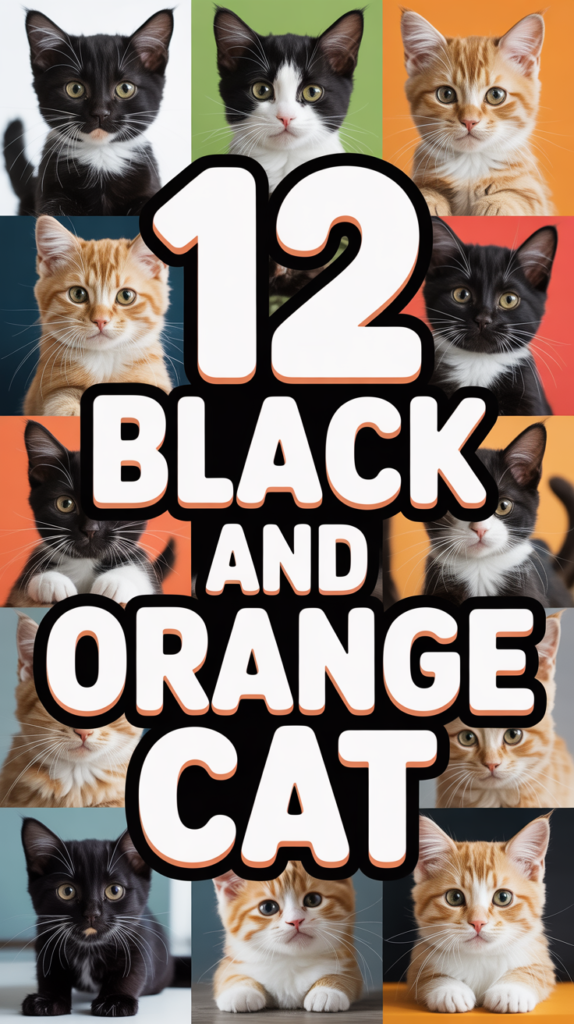
🐈 12 Black And Orange Cat
🐕 The Happy Pet Foundation Kit
Being a pet parent is incredibly rewarding, but it comes with unique challenges. Instead of wasting money on toys they'll destroy in five minutes, these are the 5 rugged, vet-recommended essentials that physically and mentally enrich your pets' lives every single day.
🔴 KONG Classic Durable Rubber Dog Toy
The absolute gold standard for canine mental stimulation. Stuff this ultra-durable rubber cone with peanut butter and freeze it—it instantly cures separation anxiety, stops destructive chewing out of boredom, and keeps high-energy dogs quietly occupied for hours.
🌸 Catit Flower Water Fountain
Cats notoriously hate stagnant water, which often leads to dangerous dehydration and kidney issues. This constantly flowing, triple-filtered fountain aggressively encourages pets to drink more water while keeping it entirely free of hair and dirt.
✂️ FURminator Undercoat deShedding Tool
Stop vacuuming your house twice a day. This patented grooming tool safely reaches through the topcoat to remove loose hair and undercoat without cutting the skin. Using it just once a week reduces loose pet shedding by up to 90%.
💩 Earth Rated Leak-Proof Dog Poop Bags
Never risk a disaster on a walk again. These incredibly thick, surprisingly pleasant lavender-scented bags are 100% guaranteed leak-proof. They seamlessly tear off the roll without ripping, making the worst part of dog ownership significantly better.
🥣 Outward Hound Slow Feeder Dog Bowl
Dogs that inhale their food are at high risk for bloating and poor digestion. The puzzle ridges in this heavy-duty bowl force your pet to forage for their kibble, dramatically slowing their eating pace while turning dinner time into a healthy brain game.
Alright, let’s spill the tea on one of nature’s most stylish felines: the black and orange cat. We’re not just talking about any cat; we’re talking about those stunning, often sassy, creatures rocking a coat that screams “fashion icon.” If you’ve ever spotted one of these beauties, you know they command attention. Get ready, because we’re diving deep into the world of these magnificent, multi-hued marvels.
1. The Tortoiseshell vs. Calico Conundrum
Confused between a tortie and a calico? You’re not alone, friend. It’s like comparing designer brands; both are fabulous, but they have distinct styles. A tortoiseshell cat flaunts a swirled, brindled, or patched pattern of black, orange (or red), and sometimes cream, all mixed together like a modern art masterpiece. They rarely have white.
Pro Tip: Think of torties as abstract art – the colors blend and swirl. This vibrant mix ensures no two torties ever look exactly alike, making each one a true original.
Why it works: Understanding this key difference helps you appreciate the unique aesthetics of each cat and sound super knowledgeable at your next pet party.
2. The Calico’s Clear Patches
Now, let’s talk calico. These cats rock distinct, larger patches of black, orange (or red), AND white. The white is the giveaway here, acting as a canvas for those bold color blocks. It’s less a swirl and more a deliberate, artful placement of color.
Pro Tip: If you see clear, separate blobs of white, black, and orange, you’ve got yourself a calico. Their patchy perfection is simply unmatched.
Why it works: Knowing the calico’s signature white patches means you can identify these striking cats with absolute confidence.
3. Genetic Girl Power
Here’s a fun fact that will blow your mind: almost all black and orange cats are female. We’re talking 99.9% female. Boys just don’t get these genes often! The gene for orange or black fur lives on the X chromosome, and since females have two X chromosomes (XX) and males have one (XY), only females can express both colors simultaneously.
Pro Tip: If you meet a black and orange male cat, you’re looking at a rare genetic anomaly, likely with an extra X chromosome (XXY), making him sterile. Give that unique guy a high-five.
Why it works: This genetic tidbit makes these cats even more special, a true testament to the marvels of feline genetics.
4. Their Fierce Personalities
Many owners swear black and orange cats, especially torties, have a distinct “tortitude.” This isn’t just a cute nickname; it’s a whole vibe. They often possess strong, independent, and sometimes sassy personalities. They know what they want, and they’re not afraid to tell you.
Pro Tip: Embrace their strong will. These cats thrive on routine and clear boundaries. They don’t appreciate being told what to do, but they’ll negotiate for treats.
Why it works: Understanding their potential personality traits helps you connect with these divas on their own terms, fostering a deeper bond.
5. The “Patched” Tabby Look
Sometimes, a black and orange cat might also have tabby markings within their colored patches. We call this a patched tabby. So, you might see faint stripes or spots within the orange or black areas, adding another layer of complexity to their already intricate coats.
Pro Tip: Look closely at the orange sections; often, you’ll spot subtle “M” markings on their foreheads or faint rings on their tails, especially if they have some tabby in their lineage.
Why it works: This detail reveals the fascinating interplay of genes that creates such diverse and beautiful coat patterns.
6. Their Radiant Orange Hues
The “orange” in black and orange cats can range dramatically. It’s not always a fiery pumpkin shade; sometimes it’s a soft cream, a deep ginger, or even a reddish-brown. This spectrum of color adds to their unique charm, making each cat a surprise.
Pro Tip: Pay attention to how light hits their fur. What looks brown indoors might glow a brilliant copper in the sun. They’re basically chameleons of color.
Why it works: Appreciating the full range of their orange palette helps you notice the subtle beauty in every individual cat.
7. Unique Naming Inspirations
Naming a black and orange cat is an absolute blast because their colors offer so much inspiration. Think fiery elements, autumnal themes, or even delicious treats. Names like “Autumn,” “Clementine,” “Blaze,” “Onyx,” or “Marigold” just fit their vibe perfectly.
Pro Tip: Consider names that reflect their potential “tortitude” too, like “Diva” or “Sassy.” They’ll probably live up to it.
Why it works: A well-chosen name truly captures the essence of these striking cats, making them feel even more special.
8. Grooming for Glossy Coats
These cats often boast incredibly soft and shiny fur, especially if they’re well-cared for. Regular grooming, even just a gentle brush a few times a week, helps distribute their natural oils, keeping their coats looking their absolute best. Plus, it’s a great bonding moment.
Pro Tip: Use a soft-bristle brush to avoid irritating their skin and make it a positive experience with treats. A shiny coat equals a happy cat.
Why it works: A little grooming goes a long way in maintaining their stunning appearance and showing them some extra love.
9. The Myth of Bad Luck
Historically, some cultures associated black cats with bad luck, and occasionally this extended to any cat with black fur, including torties and calicos. However, this is pure superstition! These cats bring nothing but joy, love, and a touch of vibrant personality into your home.
Pro Tip: Educate others on the silliness of these myths. A cat’s coat color has zero bearing on its ability to be an amazing companion.
Why it works: Dispelling old myths helps us appreciate these cats for who they truly are: wonderful pets.
10. Their Adoption Appeal
Because of their unique looks and often bold personalities, black and orange cats make fantastic companions. Many shelters have these beauties waiting for their forever homes. Adopting one means you’re not just getting a pet; you’re gaining a living piece of art with a story.
Pro Tip: When visiting a shelter, spend time observing their behavior. Their personalities shine even through the cage, helping you find your perfect match.
Why it works: Choosing to adopt one of these distinctive cats gives a deserving animal a loving home and brings unparalleled joy to your life.
11. Capturing Their Beauty
Photographing black and orange cats can be a challenge due to their contrasting colors, but it’s also incredibly rewarding. Natural light really makes their colors pop, highlighting the intricate patterns in their fur. Avoid harsh flash, which can wash out their beautiful hues.
Pro Tip: Shoot near a window or outdoors during the “golden hour” for the best results. Their colors will simply glow.
Why it works: Mastering their photography allows you to create stunning keepsakes of your gorgeous feline friend.
12. The Power of the Orange Gene
Ultimately, the presence of that orange gene is what makes these cats so visually captivating. It’s a dominant gene that, when paired with the black gene on two X chromosomes, creates the magic of the black and orange coat. It’s science, but it feels like pure artistry.
Pro Tip: Appreciate the genetic lottery that gives us these spectacular felines. They truly are walking masterpieces.
Why it works: Understanding the underlying genetics adds another layer of wonder to these already incredible animals.
🐾 The Ultimate Pet Care & Cleanup Kit
We love our animals, but we don't love the messes they make. From muddy paws to unexpected accidents, these are the 5 ultimate cleanup and home-care tools you need to keep your house smelling fresh and looking spotless despite the chaos.
🛋️ ChomChom Pet Hair Remover Roller
Throw away your sticky tape lint rollers. By rapidly rolling this tool back and forth, it generates an electrostatic charge that magically pulls deeply embedded dog and cat hair out of couches, beds, and carpets. It's completely reusable and requires no batteries or tape.
🧼 BISSELL Little Green Portable Carpet Cleaner
The ultimate lifesaver for pet owners. Whether it's muddy paw prints, spilled wine, or an unexpected puppy accident, this portable spot-cleaner aggressively scrubs and vacuums stains straight out of your carpets and delicate upholstery before they can set in.
🧪 Rocco & Roxie Enzymatic Stain Eliminator
Regular cleaners just mask smells. This professional-strength bio-enzymatic formula physically eats away deep-set ammonia crystals from pet urine, completely destroying the stain and the odor forever so your pet won't be tempted to mark the same spot again.
🍊 Angry Orange Pet Odor Eliminator
Derived from the oil of custom cold-pressed orange peels, this commercial-grade deodorizer doesn't just cover up 'wet dog' smells or litter box odors—it utterly neutralizes them. A tiny spray leaves your entire home smelling like a fresh citrus grove.
🚫 Seresto 8-Month Flea & Tick Collar
The mess-free alternative to greasy monthly topical treatments. This vet-recommended collar continuously releases low concentrations of active ingredients for eight straight months, killing and repelling fleas and ticks before they can infest your house.
Conclusion
So, there you have it: the full scoop on black and orange cats. Whether you call them torties, calicos, or simply “my beautiful, slightly bossy feline overlord,” these cats are undeniably special. They bring a splash of color, a dash of sass, and a whole lot of love into our lives. Go ahead, give your black and orange buddy an extra head scratch; they’ve earned it.