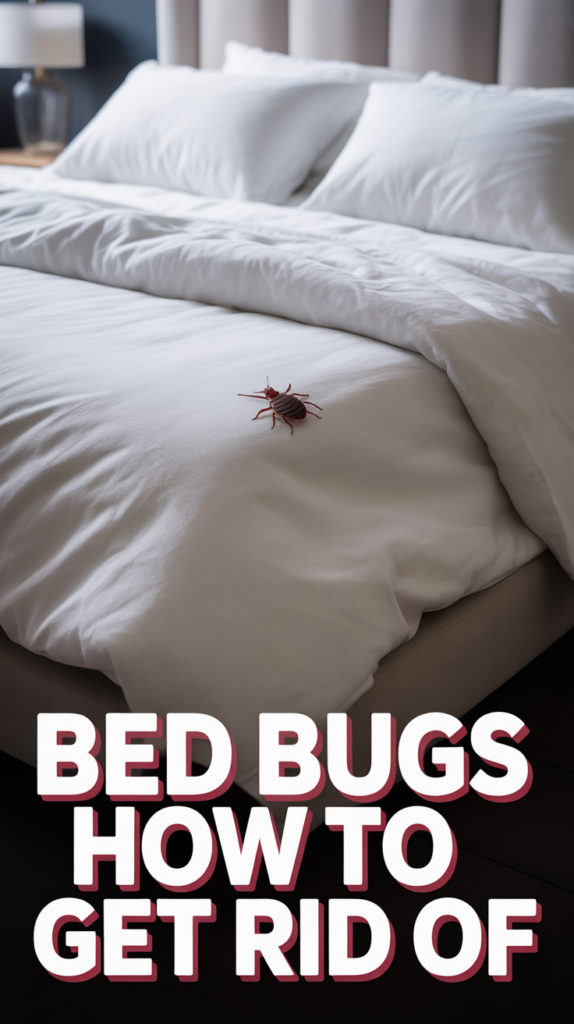
🐾 Bed Bugs How To Get Rid Of
🐕 The Happy Pet Foundation Kit
Being a pet parent is incredibly rewarding, but it comes with unique challenges. Instead of wasting money on toys they'll destroy in five minutes, these are the 5 rugged, vet-recommended essentials that physically and mentally enrich your pets' lives every single day.
🔴 KONG Classic Durable Rubber Dog Toy
The absolute gold standard for canine mental stimulation. Stuff this ultra-durable rubber cone with peanut butter and freeze it—it instantly cures separation anxiety, stops destructive chewing out of boredom, and keeps high-energy dogs quietly occupied for hours.
🌸 Catit Flower Water Fountain
Cats notoriously hate stagnant water, which often leads to dangerous dehydration and kidney issues. This constantly flowing, triple-filtered fountain aggressively encourages pets to drink more water while keeping it entirely free of hair and dirt.
✂️ FURminator Undercoat deShedding Tool
Stop vacuuming your house twice a day. This patented grooming tool safely reaches through the topcoat to remove loose hair and undercoat without cutting the skin. Using it just once a week reduces loose pet shedding by up to 90%.
💩 Earth Rated Leak-Proof Dog Poop Bags
Never risk a disaster on a walk again. These incredibly thick, surprisingly pleasant lavender-scented bags are 100% guaranteed leak-proof. They seamlessly tear off the roll without ripping, making the worst part of dog ownership significantly better.
🥣 Outward Hound Slow Feeder Dog Bowl
Dogs that inhale their food are at high risk for bloating and poor digestion. The puzzle ridges in this heavy-duty bowl force your pet to forage for their kibble, dramatically slowing their eating pace while turning dinner time into a healthy brain game.
Oh, darling pet parent, imagine this: your precious floofy cat, Mittens, is curled up in a sunbeam, dreaming of tuna and endless cuddles. Or perhaps your goofy Golden Retriever, Buddy, is sprawled out on his favorite rug, tail thumping gently as he chases squirrels in his sleep. Their little worlds are perfect, safe, and utterly adorable. But then, a tiny, unwelcome thought creeps in: what if those sneaky, creepy bed bugs decide to invade their sanctuary? The mere idea can send shivers down your spine, but don’t you worry, because we’re about to embark on a mission to reclaim your cozy kingdom and ensure your fur babies’ snooze spots are utterly bug-free!
Quick Overview
This guide is your trusty sidekick in the battle against bed bugs, helping you transform your home back into the safe, serene haven you and your pets deserve. We’ll walk you through everything, from becoming a super-sleuth pet detective to implementing pet-safe treatments, all while keeping those wagging tails and purring engines happy and healthy.
- Time needed: A dedicated weekend for initial deep cleaning and treatment, followed by a few weeks of consistent vigilance and monitoring. Think of it as a fun, albeit intense, spring cleaning project with extra snuggles!
- Difficulty: Intermediate. You’re a pet parent, which means you’ve probably already mastered advanced-level patience, stain removal, and the art of getting a grumpy cat into a carrier. This is totally within your superpower range!
- What you’ll need: A good vacuum cleaner with attachments, a steam cleaner, bed bug-proof mattress and box spring encasements, heavy-duty laundry detergent, plastic bags, food-grade diatomaceous earth, a flashlight, a magnifying glass, and an endless supply of treats for both you and your deserving fur children!
Step-by-Step Instructions
Step 1: Become a Pet Detective: Inspect & Confirm
Before you unleash your inner pest-fighting superhero, you need to confirm you’re actually dealing with bed bugs. Think of yourself as Sherlock Bones, sniffing out clues! Grab your flashlight and magnifying glass – the same ones you use to admire your pet’s perfect little nose or to find that lost cat toy under the sofa.
- Where to look: Start with your bed: mattress seams, tags, box springs, headboard, bed frame. Then, expand your search to all the places your pets love to lounge. Their beds, blankets, favorite napping spots on the sofa, under the rug where your Cavalier King Charles Spaniel, Princess Fluffington, takes her afternoon snooze, and even behind the cat tree where your tabby, Sir Purrs-a-Lot, plots world domination.
- What to look for:
- Tiny, reddish-brown, apple-seed-sized bugs (adults).
- Small, whitish, oval eggs (about 1mm long), often found in clusters in crevices.
- Dark spots (their fecal matter), which look like tiny ink stains on fabric.
- Rusty or reddish stains on sheets or mattresses (crushed bed bugs).
Pro tip: Bed bugs are sneaky! They love tight spaces. Use a credit card or stiff piece of paper to run along seams and crevices – it can help dislodge hidden bugs. If you find one, try to capture it with clear tape for identification. It’s like finding the last crumb of a homemade peanut butter cookie under the sofa – a tiny, yet significant, discovery!
Step 2: Operation Laundry Day (for Everything!)
This is where your washing machine becomes a weapon of mass bug destruction! Heat is a bed bug’s worst enemy, and hot water and high heat drying are your best friends.
- Gather and bag: Collect ALL washable items from infested areas. This includes sheets, blankets, pillowcases, curtains, throw pillows, pet bedding, pet blankets, and any soft, plush pet toys. Immediately place them into sealed plastic bags to prevent any bugs from escaping and spreading.
- Wash with vigor: Wash everything in the hottest water setting recommended for the fabric. Use your regular detergent – it’s the heat that does the heavy lifting here! Imagine a giant puppy pile, all sparkling clean and ready for a good sniff.
- Dry on high: Transfer immediately to the dryer and tumble dry on the highest heat setting for at least 30 minutes (or even longer) to ensure all bugs and eggs are zapped.
- Items that can’t be washed: For delicate items, stuffed animals, or pet sweaters that can’t handle high heat, place them in sealed plastic bags and leave them in a hot car (if temperatures reach 120°F/49°C or higher for several hours) or in the bags for several months (bed bugs can survive a long time without a blood meal!). Alternatively, a commercial dryer on high heat might work for some items if you’re careful.
Pro tip: As you remove items from the dryer, place them into new, clean plastic bags or bins to keep them bug-free until your home is fully treated. This prevents re-infestation. You might even catch your cat “helping” with laundry by napping in the fresh, warm pile – a silly animal moment to lighten the mood!
Step 3: Vacuum Like a Pro (Pet Hair & Pests!)
Your vacuum cleaner isn’t just for battling endless pet hair anymore; it’s a critical tool for sucking up those tiny invaders!
- Thorough vacuuming: Meticulously vacuum your mattresses, box springs, bed frame, headboard, baseboards, carpets, rugs, and all upholstered furniture. Pay extra attention to seams, crevices, and the undersides of furniture. Don’t forget all pet-specific areas: under their beds, around their food and water bowls, and even inside their travel carriers.
- Use attachments: Utilize your vacuum’s crevice tool to get into tight spots, corners, and along baseboards. Imagine you’re trying to find every single piece of kibble your playful puppy, a mischievous Golden Retriever, might have scattered!
- Immediate disposal: As soon as you’re done, immediately remove the vacuum bag (or empty the canister) outside your home. Seal it tightly in a plastic bag and dispose of it in an outdoor trash can. You don’t want those little hitchhikers finding their way back in!
Pro tip: After vacuuming, take a moment to clean your vacuum’s brush roll – you know, where all the glorious pet hair (and now, hopefully, bed bug debris) collects! A clean vacuum is a happy vacuum, ready for its next mission. For a fun pet profile pic idea, snap a photo of yourself, a determined dog mom or cat lady, with your trusty vacuum, perhaps wearing a funny pet-themed apron – ready to conquer!
Step 4: Steam Clean Your Way to Sanity (and Sparkle!)
Steam cleaners are amazing for killing bed bugs and eggs on contact without chemicals. The intense heat (over 120°F/49°C) is lethal to them.
- Targeted steaming: Use a handheld steam cleaner with a narrow nozzle directly on mattress seams, box springs, bed frames, upholstered furniture (sofas, chairs), carpet edges, and any cracks or crevices. Hold the nozzle close to the surface and move it slowly to ensure the heat penetrates.
- Pet bed safety: If your pet’s bed is steam-cleaner safe, give it a thorough pass. Always ensure the item is dry before your pet uses it again to prevent mildew.
- Caution: Don’t use a steam cleaner on delicate fabrics or items that can be damaged by moisture. Always test a small, inconspicuous area first.
Pro tip: The goal is to reach every possible hiding spot. Think of it as giving your home a spa day, but instead of cucumber slices, you’re zapping tiny pests! Imagine a pristine, freshly steamed pet bed, perfectly fluffed and ready for your beloved Golden Retriever to plop down for a well-deserved nap – pure aesthetic pet photography inspiration!
Step 5: Encase & Protect (Mattresses & Box Springs)
Once your mattress and box spring are vacuumed and steamed, it’s time to trap any remaining bugs inside, starving them out for good.
- Bed bug-proof encasements: Invest in high-quality, zippered, bed bug-proof encasements for both your mattress and box spring. These covers are specifically designed with tiny pores that bed bugs cannot penetrate, effectively sealing them in.
- Leave them on: Once on, these encasements should stay on for at least a year. Bed bugs can live a surprisingly long time without a blood meal, so patience is key!
- Pet beds: While not as common, some pet beds also have removable, washable covers that can be treated similarly or have specific bed bug-proof options. Consider these if your pet’s bed was heavily infested.
Pro tip: Think of encasing your mattress like putting your cat, perhaps a sassy Siamese, into a cozy, secure carrier for a vet visit – safe, contained, and ready for a journey to a bed bug-free zone!
Step 6: Deploy Pet-Safe Diatomaceous Earth (DE)
Food-grade diatomaceous earth (DE) is a natural, non-toxic powder that can be a fantastic tool in your bed bug arsenal, especially around pets.
- How it works: DE is made of fossilized diatoms, which are microscopic, sharp particles. When bed bugs crawl over it, the DE scratches their waxy outer layer, causing them to dehydrate and die. It’s like walking on a thousand tiny shards of glass for them!
- Application: Apply a very thin layer of food-grade DE in cracks, crevices, along baseboards, under furniture, and in wall voids. Crucially, apply it in areas where your pets won’t directly walk through it, inhale it, or track it around. Think behind heavy furniture, under the edges of rugs, and in spaces that are inaccessible to curious paws and noses.
- Pet safety first: Always use food-grade DE, as it’s the safest option for homes with pets. While generally considered safe, inhaling large amounts of any dust can be irritating, so apply sparingly and carefully.
Pro tip: Think of it like a dusting of magical, bug-banishing fairy dust – but only in secret spots where it can work its magic without bothering your furry friends! Ensure the area is completely dry before applying DE, as moisture can reduce its effectiveness.
Step 7: Declutter & Organize (The Pet Toy Mountain)
Bed bugs love clutter because it gives them endless hiding spots. Reducing clutter is like removing their secret fortresses.
- Clear the decks: Go through your belongings and get rid of anything you don’t need or want. Bag and seal items you want to keep but aren’t immediately using (e.g., seasonal clothes, old books).
- Pet toy management: Gather all those beloved pet toys – the squeaky ones, the plushies, the chew toys. Wash what you can (see Step 2) and store the rest in sealed plastic bins or containers. This makes future inspections easier and reduces hiding spots.
- Keep floors clear: Try to keep items off the floor, especially around your bed and pet sleeping areas. This makes vacuuming more effective and gives bed bugs fewer places to lurk.
Pro tip: You might even find your playful puppy “helping” you declutter by enthusiastically chewing on a cardboard box, or your cat batting away a stray bed bug (if you’re lucky!). Every little bit helps create a less hospitable environment for pests.
Step 8: Monitor & Repeat (Vigilance is Key!)
Getting rid of bed bugs isn’t a one-and-done deal; it’s an ongoing mission. Bed bugs are persistent, much like a cat demanding attention at 3 AM.
- Regular checks: Continue to inspect your bed, pet beds, and surrounding areas regularly for any new signs of bed bugs. Use your flashlight and magnifying glass.
- Consistent cleaning: Keep up with regular vacuuming of floors, carpets, and upholstered furniture. Wash pet bedding weekly (or even more often during treatment) in hot water.
- Interceptor traps: Consider placing bed bug interceptor traps under the legs of your bed and pet beds. These simple cups create a barrier that bed bugs can’t cross, trapping them and letting you monitor their activity.
- Patience, dear friend: It can take several weeks, or even a few months, of consistent effort to completely eradicate a bed bug infestation. Don’t get discouraged if you see a stray bug after your initial treatment. It just means your vigilance needs to continue!
Pro tip: Mark your calendar! After a few weeks of no sightings, celebrate this bed bug-free milestone with a mini pet birthday party for your fur baby (or a “Gotcha Day” celebration!), complete with homemade dog treats and extra belly rubs. You both deserve it!
Common Mistakes to Avoid
Even the most dedicated pet parents can make missteps when battling these tiny terrors. Here are a few to steer clear of:
- Panicking and using harsh, unsafe chemicals: It’s tempting to grab the strongest pesticide you can find, but many chemicals are highly toxic to pets. Using them incorrectly or in areas accessible to your fur babies can lead to serious health issues.
- Why it’s problematic: Pets can inhale fumes, lick treated surfaces, or even absorb chemicals through their paws, causing poisoning.
- Correct approach: Stick to pet-safe methods like heat (laundry, steaming), vacuuming, encasements, and food-grade diatomaceous earth. If professional help is needed, always ensure they use pet-safe treatments and provide clear instructions for pet return.
- Only treating your bed and ignoring pet zones: While bed bugs prefer human blood, they are opportunistic and will happily hide in pet beds, blankets, and even behind pet crates.
- Why it’s problematic: If you don’t treat all infested areas, the bugs will simply relocate to the untreated spots (like your pet’s cozy bed!) and re-infest your sleeping area.
- Correct approach: Treat your entire home as a potential bed bug zone, with extra focus on all sleeping areas – yours and your pets’.
- Not being thorough or consistent enough: Bed bugs are incredibly resilient and can hide in the tiniest cracks. A rushed or incomplete treatment will almost certainly lead to a resurgence.
- Why it’s problematic: Skipping a step or not repeating treatments will leave surviving bugs and eggs to multiply, undoing all your hard work. Bed bugs are persistent, much like a cat wanting attention, and require equal persistence to get rid of.
- Correct approach: Follow every step meticulously. Be prepared to repeat vacuuming, laundry, and inspections regularly for several weeks or months.
- Discarding furniture prematurely: It might seem like the easiest solution to just toss out your infested mattress or sofa.
- Why it’s problematic: This can actually spread bed bugs to other parts of your home, to your neighbors, or even to the street where someone else might pick it up. Plus, your dog loves that sofa!
- Correct approach: Treat furniture thoroughly. If you absolutely must discard an item, wrap it securely in plastic and label it clearly as “Bed Bug Infested” to prevent spreading.
Troubleshooting
Even with the best efforts, sometimes things don’t go exactly as planned. Don’t fret, dear pet parent!
- “I still see them after initial treatment!”
- Quick solution: Take a deep breath! This is common. It means you need to re-inspect even more thoroughly. Check areas you might have missed, like behind picture frames, inside electrical outlets (turn off power first!), or along curtain rods. Re-apply treatments as needed, focusing on consistency. If the infestation is severe or persistent after several weeks of diligent effort, it might be time to consult a professional pest control service. Sometimes even the best pet parents need a vet (or a pest expert!) for tricky situations.
- “My pet is scratching more or seems irritated!”
- Quick solution: First, rule out other common pet pests like fleas or mites, as their bites can be confused with bed bug bites. Consult your veterinarian for a proper diagnosis and treatment if you suspect fleas or other skin issues. If you’ve used any new products, ensure they are truly pet-safe and that your pet hasn’t had an adverse reaction. Keep your pets away from areas where you’ve applied diatomaceous earth until the dust has settled.
- “I’m feeling overwhelmed and exhausted!”
- Quick solution: It’s okay to feel this way! Battling bed bugs is tough, both physically and mentally. Take a break. Cuddle your pet – their unconditional love is the best stress reliever. Break down the task into smaller, manageable chunks. Focus on one room at a time, or even one item at a time. Remember, you’re doing this for the well-being of your entire furry family, and you’re an amazing pet parent for tackling it head-on!
Key Takeaways
- Be thorough, consistent, and patient: Bed bugs are tenacious, but so are you! Diligence is your greatest weapon.
- Prioritize pet safety above all else: Always opt for pet-safe methods and products. Your fur babies’ health is paramount.
- Don’t be afraid to ask for help: If the infestation is severe or you’re feeling overwhelmed, professional pest control can be a lifesaver.
- Your home can be a bed bug-free haven again: With dedication, your beloved living space will soon be back to being a sanctuary for you and your cherished fur babies!
Frequently Asked Questions
Here are some common questions from fellow pet lovers:
Q: Are bed bugs harmful to my pets?
A: While bed bugs generally prefer human blood, they can and will bite pets if humans aren’t available. The bites are usually just an itchy nuisance, similar to flea bites, and typically don’t cause serious harm. Pets are not primary hosts for bed bugs, meaning bed bugs don’t live on them like fleas do. However, a severe infestation can cause discomfort and stress for your pet, and excessive scratching could lead to skin irritation or secondary infections. Always consult your vet if you’re concerned about your pet’s health.
Q: Is food-grade diatomaceous earth safe for pets?
A: Yes, food-grade diatomaceous earth is generally considered safe for pets when used correctly and sparingly. It’s non-toxic. However, like any fine powder, inhaling large amounts can be irritating to the respiratory system for both humans and pets. Always apply it as a very thin, almost invisible, layer in cracks and crevices, and in areas inaccessible to your pets. Ensure they don’t kick up large clouds of dust.
Q: Do I need to get rid of my pet during treatment?
A: Not usually. For most DIY, pet-safe treatments (like steaming, vacuuming, encasements, and careful DE application), your pet can remain in the home. However, it’s always wise to keep them out of the immediate area you are treating until any dust has settled or surfaces are dry. If you hire a professional pest control service, they will provide specific instructions on when it’s safe for pets to return, usually after a few hours of drying time.
Q: Can my pet bring bed bugs into the house?
A: It’s highly unlikely for pets to directly “carry” bed bugs into the home in the same way they might carry fleas or ticks. Bed bugs don’t live on hosts; they hide in cracks and crevices. However, if your pet’s carrier, blanket, or bed is taken to an infested location (like a hotel, a friend’s house, or a vet clinic that might have an issue), bed bugs could hitchhike on those items. Always inspect pet accessories after travel or visits to new places.
What’s Next?
You did it! You battled the bugs, you protected your fur babies, and you’ve reclaimed your home. Now for the fun part!
- Enjoy your bed bug-free home: Revel in the peace of mind knowing your sanctuary is safe and sound for everyone, especially those adorable creatures who rely on you!
- Celebrate with homemade treats: Whip up a batch of delicious homemade dog treats – perhaps some peanut butter & pumpkin pup-sicles for your Golden Retriever, or tuna flakes for your finicky feline. It’s a wonderful way to reward your patient companions (and yourself!).
- Plan a pet birthday or “Gotcha Day” party: Now that your home is pristine, why not throw a little celebration? Invite their favorite furry friends (and their humans, of course!) for a playdate.
- Treat your pet to a new, bed bug-proof bed: As a final victory lap, consider upgrading your pet’s sleeping arrangements to a new bed with a washable, zippered cover, making future cleaning a breeze and keeping those pesky bugs at bay.
- Maintain vigilance: Continue with regular checks, especially after travel or if guests stay over. Prevention is always easier than eradication!
You’re an amazing pet parent, truly a superhero in a world of tiny pests. You faced the challenge, you protected your fur family, and now you can relax and enjoy all the love, purrs, and tail wags your heart desires. You totally got this!