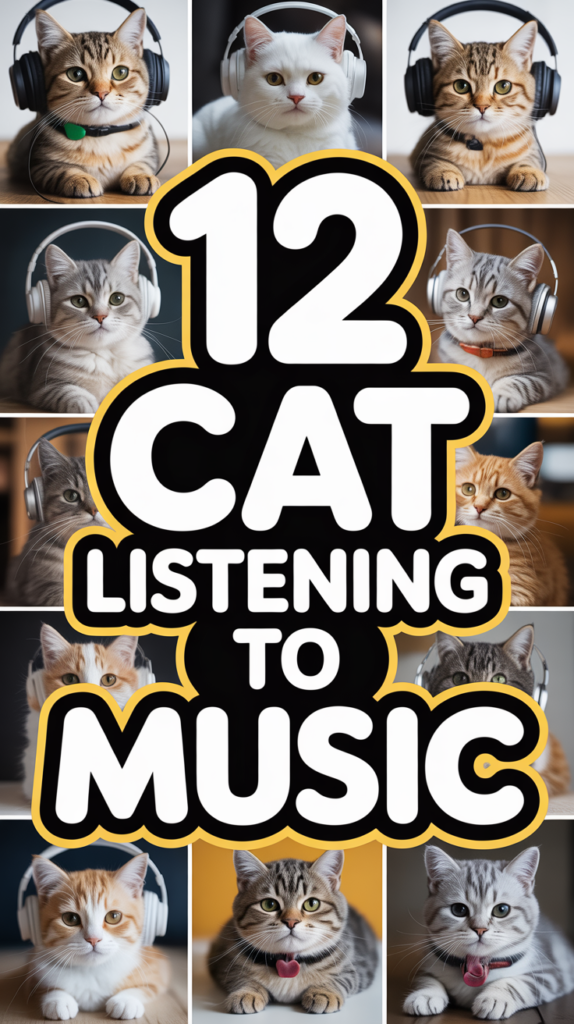
🎧 12 Cat Listening To Music
You know your cat rules the roost, right? Well, now they’re ready to drop some beats. Seriously, if you thought your furry friend was just about naps and snacks, think again. Your cat might secretly be a discerning music critic, and honestly, who are we to deny them a little auditory bliss? We’re diving into the world of feline harmonies, because your cat’s playlist is about to get a major upgrade.
1. Chill Vibes for Your Feline
Ever wonder if your cat needs a spa day playlist? Well, they do. Classical music, slow jazz, or ambient sounds can seriously mellow out a stressed kitty. Think gentle melodies, not heavy metal, for maximum relaxation. Try artists known for calm compositions; classical pieces often hit the sweet spot for a serene environment. This approach mimics a peaceful setting, helping them de-stress and nap like true professionals.
2. Beats for the Beast
Some cats are secretly rock stars; you just haven’t found their genre yet. Upbeat music with a steady rhythm might get some cats more engaged, especially during playtime. We’re talking playful, not jarring, tunes. Play something with a consistent tempo. It can be surprisingly stimulating for their hunting instincts, adding an extra layer of fun to their day.
3. The Purr-fect Playlist
Forget your Spotify Wrapped; your cat needs their own, scientifically-backed playlist. Scientists actually create music specifically for cats, using frequencies and tempos they naturally respond to. It sounds wild, but it’s true and often quite effective. Search for cat-specific music online; it’s a real game-changer for some furballs, resonating better with their unique auditory system.
4. Headphones for Hounds (or rather, Cats)
Before you strap on mini headphones, let’s talk safety first. Direct headphones are usually a no-go for cats because their ears are super sensitive. Instead, use ambient room sound. Keep the music playing from a speaker in the room at a comfortable distance. This prevents any ear discomfort and respects their delicate hearing.
5. Volume Control is Key
Your cat’s ears are like tiny, furry super-sensors. What sounds good to you might be deafening to them; cats hear much higher frequencies and are more sensitive to volume. Always play music at a low, background volume. If you can barely hear it, it’s probably perfect for them, ensuring a pleasant experience without stress.
6. Observe Their Reaction
Your cat will definitely tell you if they’re feeling the vibe. Look for subtle cues: relaxed posture, slow blinks, or even a purr means they approve. Flattened ears or twitching tails, however, mean ‘nope.’ Pay attention to their body language; it’s their primary way of communicating preferences. Understanding their feedback lets you truly tailor the experience.
7. Music as a Calming Tool
Got a nervous kitty? Music might be your secret weapon. Soft music can be incredibly effective during stressful situations like vet visits, car rides, or thunderstorms. It distracts and soothes their anxieties. Start introducing calming music during non-stressful times so they associate it with positive, secure feelings when anxiety strikes.
8. Interactive Playtime Jams
Elevate your cat’s play sessions with a rocking soundtrack. Play upbeat, engaging music during their designated playtime. It can add an extra layer of fun and energy for both of you. Choose music that has a rhythmic quality, perhaps something with a slight beat that encourages movement. This injects more excitement into their routine, making them more active.
9. The Science of Cat Sound
Their hearing isn’t just good; it’s next-level. Cats can hear frequencies far beyond human capabilities, meaning they perceive sounds in a way we can only imagine. Consider the frequency range of the music you play; very high-pitched sounds might be irritating, even if you can’t hear them. Understanding their unique auditory world helps you select truly resonant music.
10. Your Taste Versus Theirs
What you love might not be their jam, and that’s totally okay. Don’t force your heavy metal obsession on a cat who clearly prefers classical. Respect their individuality. Experiment with various genres and observe their reactions; you might discover your cat has a surprisingly sophisticated palate. This prioritizes their comfort and preferences, building a stronger bond.
11. DIY Cat Speakers
No, not literally speakers for cats, but how to optimize sound for them. Position speakers in a way that the sound isn’t overwhelming or directly blasting them. Think ambient background noise. Place speakers in a central room location, allowing the sound to diffuse gently. Avoid placing them right next to their favorite napping spot for optimal enjoyment.
12. Share Your Cat’s Jams
Your cat’s musical journey deserves to be documented. Snap a pic or video of your cat chilling to their favorite tunes and share it online. Cat parents everywhere love seeing fellow felines enjoying life. Use hashtags like #CatTunes or #FelineBeats to connect with other music-loving cat owners. It builds community and gives everyone a chuckle, celebrating the quirky joy of a cat with good taste.
Conclusion
So go ahead, cue up some tunes for your furry overlord. They might just surprise you with their sophisticated musical taste – or at least look slightly less annoyed. Either way, it’s a win. Giving your cat the gift of music adds another layer of enrichment to their already pampered lives, proving once again that we truly live to serve our feline companions.