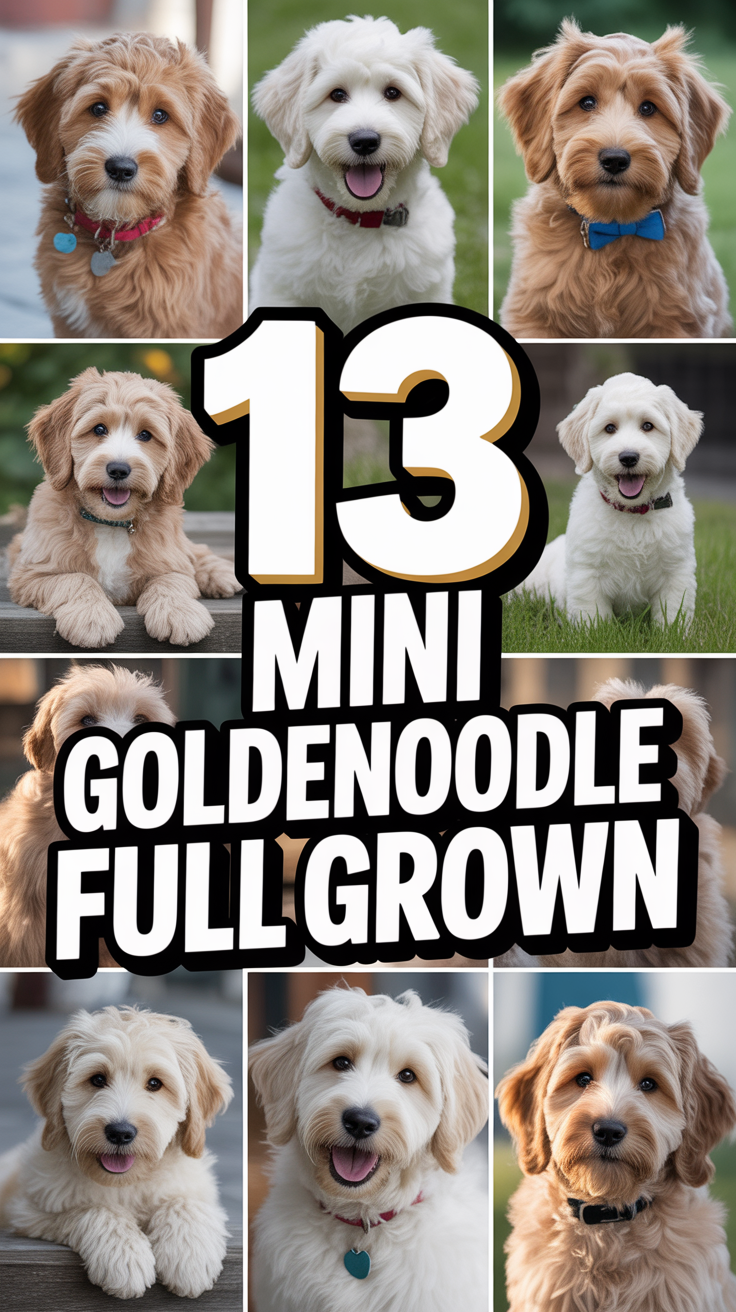
🐾 13 Mini Goldendoodle Full Grown
So, you’ve snagged yourself a Mini Goldendoodle pup, huh? Get ready for a cuteness overload that just keeps on giving. But let’s be real, that tiny fluffball won’t stay pint-sized forever. You’re probably wondering when your little shadow will hit its full majestic (and mini) form. We’re diving deep into everything you need to know about your Mini Goldendoodle’s full-grown glow-up. Spoiler alert: they’re still ridiculously adorable.
1. Size Expectations
Forget the ‘mini’ part meaning pocket-sized; we’re talking about a gloriously medium-small dog here. Full-grown Mini Goldendoodles typically stand 13-20 inches tall at the shoulder and weigh between 15-35 pounds. It’s more like a comfortable lap dog, not a purse dog. Always check the parent sizes for a better estimate, as their genes are the ultimate blueprint. Knowing this prevents any surprises when they’re not chihuahua-sized.
2. When They Hit Peak Size
Patience, young grasshopper, your pup isn’t a redwood. Most Mini Goldendoodles reach their full height by around 10-12 months of age, but they’ll continue to fill out and gain muscle mass until about 18 months. Don’t overfeed them assuming they need extra to grow faster; it just leads to puppy pudge. You’ll have a good idea of their adult stature pretty quickly.
3. Genetics Play a Role
It’s all in the family tree, literally. The specific Poodle parent’s size (Toy or Miniature) and the Golden Retriever parent’s genetics heavily dictate the “mini” aspect of your doodle. A smaller Poodle parent generally means a smaller Mini Goldendoodle. Ask your breeder for photos and weights of the parent dogs; it’s the best crystal ball you’ve got for predicting adult size. A good breeder provides transparency, not just fluff.
4. Growth Spurts Galore
One day they’re a tiny tot, the next they’re all legs and ears. Puppies grow in bursts, often looking a bit gangly and awkward during these phases, like their body parts haven’t quite caught up with each other. Ensure they get a high-quality puppy food during these rapid growth periods to support healthy bone and muscle development. Embrace the awkward stage; it means they’re doing exactly what they should.
5. Weight Management is Key
A healthy mini is a happy mini, not a hefty mini. Full-grown Mini Goldendoodles need careful portion control and a balanced diet. Obesity can lead to serious joint issues, diabetes, and other health problems down the line. Stick to the recommended feeding guidelines on their food bag and adjust based on their activity level, not just their adorable begging eyes. Keep them lean and mean for a longer, more active life.
6. Coat Changes
That adorable puppy fuzz won’t last forever. Their coat often transitions from soft puppy fur to a denser, sometimes wavier or curlier, adult coat. This “coat change” can happen around 6-12 months and is often when mats appear if not brushed regularly. Start grooming early to get them used to brushes and clippers; it makes future sessions a breeze and prevents matting. Prepare for some serious fluff maintenance as they mature.
7. Energy Levels
Will they ever stop bouncing off the walls? Maybe. While puppies are pure chaos, full-grown Mini Goldendoodles usually settle into a more manageable energy level. They still need daily exercise but might not have the same frantic zoomies every hour. Even full-grown, they thrive on a good mix of physical and mental stimulation. Expect a delightful blend of playful energy and cozy cuddle time.
8. Training Continues
Thought you were done with puppy classes? Think again. An adult dog still benefits immensely from ongoing training, whether it’s reinforcing basic commands or learning new tricks. It keeps their brains active, prevents boredom, and strengthens your bond. Enroll in an advanced obedience class or try dog sports like agility to keep them engaged. Lifelong learners make the best companions.
9. Health Considerations
Being full-grown comes with its own set of checks and balances. Mini Goldendoodles, like all breeds, can be prone to certain conditions as adults, such as hip and elbow dysplasia, progressive retinal atrophy, and certain allergies. Regular vet check-ups are non-negotiable, and consider pet insurance for peace of mind regarding unexpected health issues. Stay vigilant about their health, and they’ll thank you with years of wagging tails.
10. Dietary Needs
Say goodbye to puppy chow, hello adult grub. Once they hit their full size, typically around 12-18 months, they need to transition to an adult-formulated dog food. This ensures they get the right balance of nutrients for maintenance, not for rapid growth. Look for high-quality adult dog food with real meat as the first ingredient and avoid excessive fillers. Fueling their adult bodies correctly is crucial for their overall vitality.
11. Exercise Requirements
Just because they’re ‘mini’ doesn’t mean they’re couch potatoes. Full-grown Mini Goldendoodles still need a good amount of daily exercise, usually 30-60 minutes, to stay healthy and happy. Think brisk walks, spirited playtime in the yard, and fetch sessions. Mix up their routine to keep things interesting; a trip to a new park or a hike can be a fantastic adventure. A tired dog is a well-behaved dog, usually.
12. Grooming Routines
That fluffy coat isn’t going to maintain itself, darling. Regular brushing (several times a week, especially for curlier coats) and professional grooming every 6-8 weeks are essential to prevent mats and keep their coat healthy and looking fabulous. Invest in a good slicker brush and a metal comb; they are your best friends in the battle against tangles. A well-groomed doodle is a comfortable doodle.
13. Personality Shifts
From goofy puppy to charming adult, expect some evolution. While their core temperament remains, full-grown Mini Goldendoodles often become more settled, confident, and perhaps a tad more independent than their puppy selves. They’ll still be affectionate and playful, just with a bit more wisdom in their eyes. Continue socialization even as adults; regular positive interactions with other dogs and people help maintain their friendly disposition. You’ll still recognize your best friend, just a more refined version.
Conclusion
So there you have it, the full lowdown on your Mini Goldendoodle’s journey to becoming a full-grown, fabulous companion. They might not stay tiny forever, but they promise a lifetime of love, laughter, and just enough playful mischief to keep things interesting. Embrace every stage; it’s all part of the doodle charm. Now go forth and cuddle your perfectly sized bestie!