🦓 12 Planet Zoo Inspiration
Alright, fellow park builders and virtual wildlife enthusiasts! Ever stare at a blank map in Planet Zoo and feel that creative well run a little dry? We’ve all been there, trust me. You want to craft something amazing, something that makes even your most discerning virtual guests gasp, but the muse is playing hard to get. Fear not, because I’ve wrangled up some killer ideas that will kickstart your next zoo masterpiece. Get ready to ditch the basic rectangles and embrace your inner architect.
1. Biome-Specific Immersion
Let’s get real, a generic zoo is so last season. Pick a biome – think scorching desert, lush tropical rainforest, or frosty tundra – and commit to it. Every habitat, every building, every plant needs to scream that environment.
This approach makes your zoo feel incredibly cohesive and authentic. Guests love a journey, and transporting them entirely to a different part of the world is a surefire win. Pro tip: Start with the terrain tools before dropping a single path; it makes sculpting so much easier. You’ll thank me later when your desert exhibit actually feels like a desert.
2. The Conservation Hub
Forget just showing off animals; make your zoo a beacon of hope. Design a park that tells a powerful conservation story, focusing on endangered species and educating guests about their plight.
Every exhibit becomes a narrative, highlighting breeding programs, rescue efforts, and the importance of protecting biodiversity. It’s not just a zoo; it’s a mission. Pro tip: Integrate educational signs and research centers prominently. Your guests will leave feeling inspired, not just entertained.
3. Architectural Grandeur
Who says a zoo can’t be a work of art? Challenge yourself to build stunning, custom structures for everything from your entrance to your smallest staff building. Think grand arches, intricate roofs, and unique material combinations.
Your buildings become attractions in themselves, creating memorable visual landmarks throughout your park. Guests might even forget they came to see the animals (just kidding, mostly). Pro tip: Don’t be afraid to use the smallest building pieces to create details; they add so much character.
4. Species-Specific Sanctuaries
Instead of cramming multiple species into one generic area, dedicate entire zones to giving one animal species its absolute dream home. We’re talking sprawling, meticulously designed habitats that cater to every whim.
This allows for incredible detail and realism, truly showcasing the natural behaviors of your chosen animals. Plus, it makes for some seriously impressive viewing. Pro tip: Research your animal’s real-world habitat needs extensively before you even break ground. Authenticity is key here.
5. Historical Recreation
Ever wondered what zoos looked like a century ago? Or perhaps you have a favorite real-world zoo you admire. Try to replicate a historical zoo layout or a specific iconic building from the past.
This offers a unique challenge and results in a zoo with incredible character and a palpable sense of history. It’s like time travel, but with more virtual pooping animals. Pro tip: Search for old blueprints or photos online for accurate details. The internet is your friend, friend.
6. The Narrative-Driven Park
Give your zoo a backstory. Is it a struggling rescue center slowly being rebuilt? A forgotten royal menagerie rediscovered? A future-forward research facility? Let a narrative guide all your design choices.
Every path, every building, and every exhibit tells a piece of your zoo’s unique story. Guests will feel more connected to the park’s purpose and journey. Pro tip: Jot down your zoo’s “lore” before you begin; it helps maintain consistency.
7. Ultimate Guest Experience
Flip the script and design your zoo from the guest’s perspective first. Focus on perfect sightlines, varied amenities, comfortable resting spots, and intuitive pathing.
This ensures your park is not only beautiful but incredibly functional and enjoyable for visitors. Happy guests mean more donations, which means more lions. Win-win. Pro tip: Use the guest heatmap regularly to identify bottlenecks and areas needing improvement. They don’t lie.
8. Aquatic Wonders
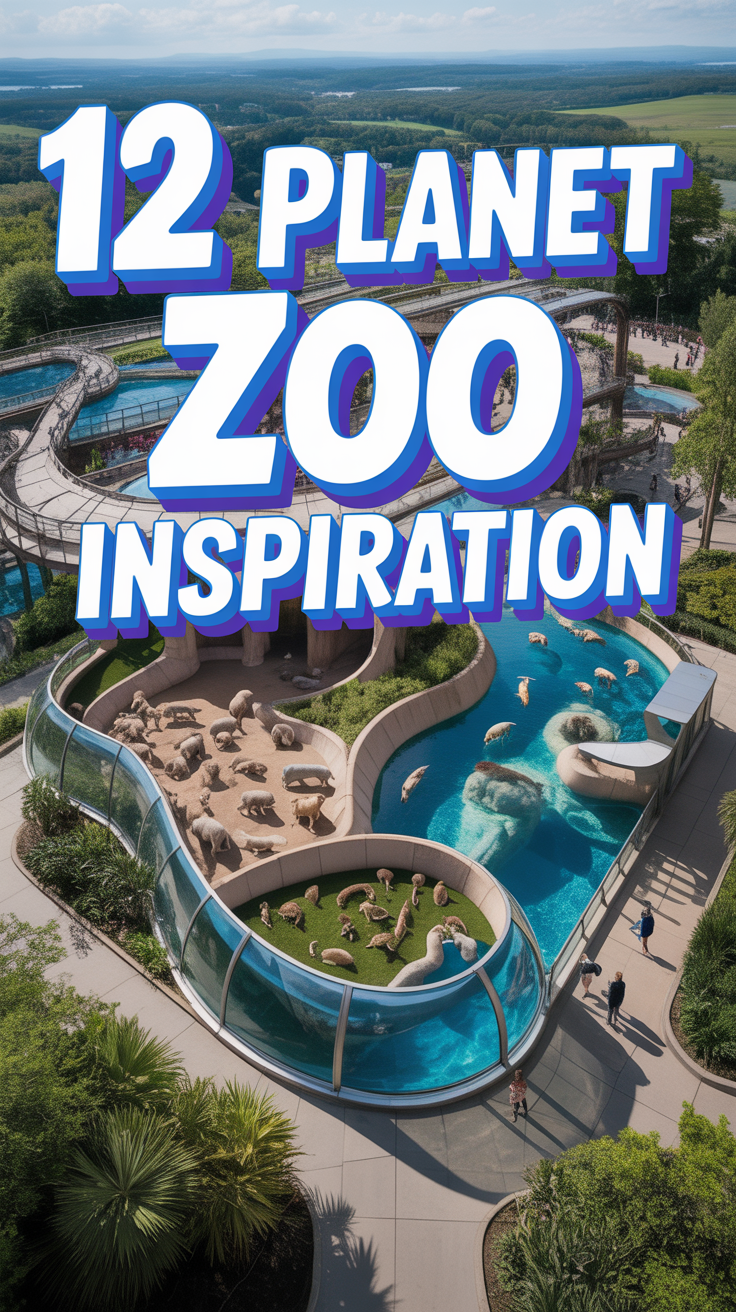
Dive deep (pun absolutely intended) into water features. Design stunning underwater viewing areas, elaborate aquatic habitats, and beautiful river systems that weave through your park.
Water adds incredible visual appeal and allows for unique perspectives on your animals. Plus, who doesn’t love a good view of a swimming hippo? Pro tip: Experiment with different water depths and rock formations to create natural-looking underwater landscapes.
9. Vertical Zoo Design
Why stick to one level when you can go up? Build multi-tiered habitats, elevated guest pathways, and buildings that climb skyward. Embrace the Z-axis, people!
This maximizes space, creates dynamic views, and offers a more engaging experience for both guests and animals. It also looks incredibly impressive. Pro tip: Use large rock formations and custom terrain sculpting to create natural elevation changes for your habitats.
10. Themed Zones Extravaganza
Divide your zoo into distinct, heavily themed zones. Think a “Lost World” dinosaur theme (minus the actual dinosaurs, obviously), an “African Savannah” complete with a safari ride, or an “Asian Temple Garden.”
Each zone offers a completely different experience, keeping guests engaged and making your park feel much larger and more diverse. It’s like visiting multiple mini-parks in one. Pro tip: Stick to a limited palette of building materials and plants for each zone to maintain consistency.
11. Native Wildlife Park
Instead of a global collection, focus entirely on animals native to one specific region or country. Research the local flora, fauna, and even architectural styles to create an authentic regional park.
This creates a deeply immersive and educational experience, showcasing the biodiversity of a particular area. It’s a love letter to one corner of the planet. Pro tip: Don’t just pick the big animals; include smaller, less common native species to add depth.
12. Minimalist Modern Zoo
Strip away the clutter and embrace clean lines, open spaces, and a modern aesthetic. Let the animals and the natural beauty of their habitats be the star, with subtle, elegant architecture.
This design style offers a sophisticated, calming atmosphere and highlights the animals without distraction. It’s less about grandiosity and more about thoughtful, understated beauty. Pro tip: Focus on strong sightlines and simple, geometric shapes for your buildings. Less is truly more here.
Conclusion
There you have it! Twelve ways to banish that dreaded builder’s block and infuse your next Planet Zoo creation with some serious pizzazz. Whether you’re going grand and historical or sleek and minimalist, remember to have fun with it. Your virtual animals (and their virtual keepers) will thank you for the extra effort. Now go forth and build something epic!