🐢 15 Red Eared Slider Turtle
Alright, pet parents and future reptile enthusiasts, gather ’round. You’ve probably seen a tiny, adorable Red Eared Slider Turtle chilling in a pet store tank, looking all cute and unassuming. But let’s be real, these little guys are total divas with specific demands, and owning one is a commitment. Forget what you thought you knew; we’re diving deep into the world of these shelled superstars. Prepare to be informed, entertained, and maybe a little intimidated.
1. Their Signature Look
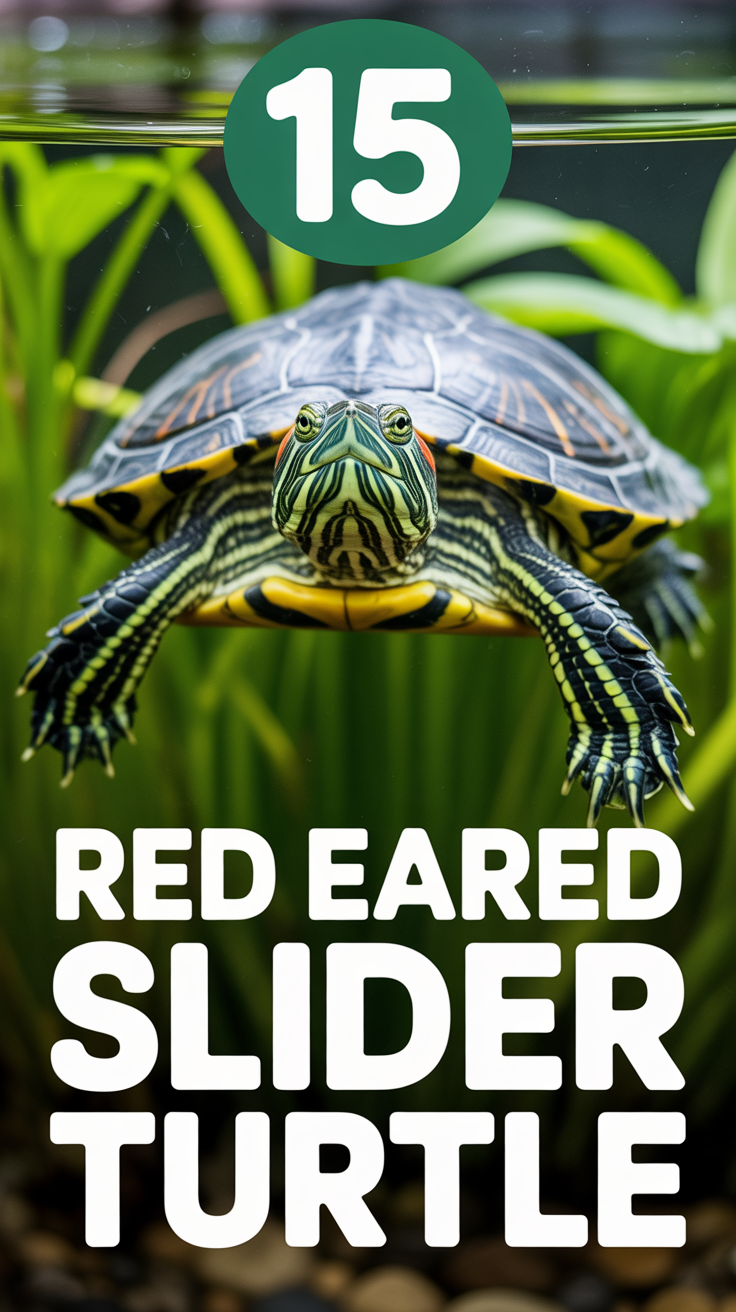
Those dashing red stripes behind their eyes? That’s their calling card, making them instantly recognizable. It’s like their personal brand, really. These vibrant markings are part of what makes them so captivating, a pop of color in a sea of green. Pro tip: A healthy turtle’s markings are always bright and clear, not dull or faded. It works because their unique appearance instantly tells you who you’re dealing with.
2. Lifespan Legends
Think you’re getting a temporary houseguest? Think again. Red Eared Sliders can live for 20 to 30 years, sometimes even longer, in proper care. That’s a serious long-term relationship, possibly outliving your current phone plan by a decade or two. Pro tip: Factor this commitment into your decision; they’re not a fleeting fancy. This works because it sets realistic expectations from the get-go.
3. Habitat Havens
These turtles are semi-aquatic, meaning they need a spacious tank with both a swimming area and a dry basking spot. We’re talking at least a 75-gallon tank for an adult. Don’t skimp on space; they aren’t goldfish. Pro tip: Bigger is always better when it comes to tank size; they appreciate the room to roam. This works because it ensures their physical and mental well-being.
4. Water Quality Wizards
Clean water is non-negotiable. Seriously, these guys are messy eaters, and their waste can quickly foul up their aquatic home. A powerful filtration system is your best friend here, preventing nasty odors and illnesses. Pro tip: Invest in a canister filter that’s rated for a tank larger than your actual tank size; over-filtration is a good thing. This works because it keeps their environment pristine and healthy.
5. Basking Bliss
Every slider needs a dry spot to haul out of the water and soak up some rays. This isn’t just for tanning; it’s crucial for their health. They need a UVB light and a heat lamp over their basking area. Pro tip: Replace UVB bulbs every 6-12 months, even if they still light up, as their UVB output diminishes. This works because it aids in vitamin D3 synthesis and proper shell health.
6. Temperature Tantrums
Sliders are particular about their temperatures. The water should be around 75-80°F (24-27°C), and the basking spot needs to hit 90-95°F (32-35°C). Too cold, and they get sluggish; too hot, and they stress out. Pro tip: Use a reliable aquarium heater with a guard and a good thermometer to monitor both water and air temps. This works because stable temperatures are vital for their metabolism.
7. Dietary Delights
Young sliders are more carnivorous, munching on protein like turtle pellets, feeder fish, and insects. As they mature, they shift to a more omnivorous diet, requiring plenty of fresh greens. Think kale, collard greens, and romaine. Pro tip: Always offer a variety of foods and avoid too much fruit; it’s like candy for them. This works because a balanced diet prevents nutritional deficiencies.
8. Growth Galore
That cute little hatchling you brought home? It’s going to get big. Female Red Eared Sliders can grow up to 10-12 inches (25-30 cm) in shell length. Male turtles are typically a bit smaller. Don’t be surprised; they’re not staying palm-sized forever. Pro tip: Plan for their adult size before you bring one home; upgrading later is a hassle. This works because it prevents impulse buys that lead to inadequate care.
9. Not Cuddle Buddies
Let’s be clear: turtles are not dogs. They don’t crave human affection, and frequent handling can stress them out. They’re wild animals, even when kept as pets. Pro tip: Minimize handling and always wash your hands thoroughly before and after touching them or their habitat to prevent salmonella transmission. This works because it respects their natural instincts and keeps everyone safe.
10. Solitary Souls
Red Eared Sliders are generally solitary creatures. While some people house multiple turtles together, it often leads to stress, aggression, and competition for resources. One turtle, one tank is usually the safest bet. Pro tip: If you absolutely must house more than one, ensure an even larger tank and monitor for any signs of bullying. This works because it reduces stress and potential injuries.
11. Shell Shock Prevention
A healthy shell is a happy shell. Shell rot, pyramiding, and other issues can arise from poor diet, inadequate basking, or dirty water. Keep an eye on their shell for any soft spots, discoloration, or peeling. Pro tip: Provide a cuttlebone in their water for calcium, and ensure they get adequate UVB. This works because it supports strong bone and shell development.
12. Brumation Basics
In the wild, sliders might go through brumation, a period of dormancy similar to hibernation. In captivity, it’s often not necessary or even recommended unless you’re an experienced keeper. It requires precise conditions. Pro tip: If you notice your turtle becoming less active and eating less in cooler months, ensure all environmental parameters are correct before assuming brumation. This works because it prevents accidental illness due to improper conditions.
13. Enrichment Essentials
Even though they’re not playing fetch, turtles benefit from enrichment. Think smooth rocks, fake plants, or even floating toys in their tank. It gives them something to explore and interact with. Pro tip: Ensure any tank decor is turtle-safe and non-toxic, with no sharp edges they could get stuck on or swallow. This works because it stimulates their minds and prevents boredom.
14. The Great Escape Artists
These shelled adventurers are surprisingly good at climbing and will attempt to escape their enclosure if given the chance. A secure lid is non-negotiable, especially if your basking area provides a launchpad. Pro tip: Always ensure your tank has a heavy, securely fitting mesh lid to prevent daring breakouts. This works because it keeps your turtle safe and contained.
15. Invasive Issues
It’s super important to know that Red Eared Sliders are considered an invasive species in many parts of the world. Releasing a pet turtle into the wild is not only illegal in many places but also incredibly harmful to local ecosystems. Pro tip: If you can no longer care for your turtle, look for reptile rescues or sanctuaries, never just set them free. This works because it protects native wildlife and prevents ecological damage.
Conclusion
So, there you have it. Red Eared Slider Turtles are fascinating, long-lived creatures that deserve top-tier care. They might be high-maintenance divas, but honestly, their unique personalities and chill vibes make all the effort totally worth it. Just remember, a happy slider means a well-researched, well-equipped, and much-loved slider. Go forth and be the amazing turtle parent we know you can be!