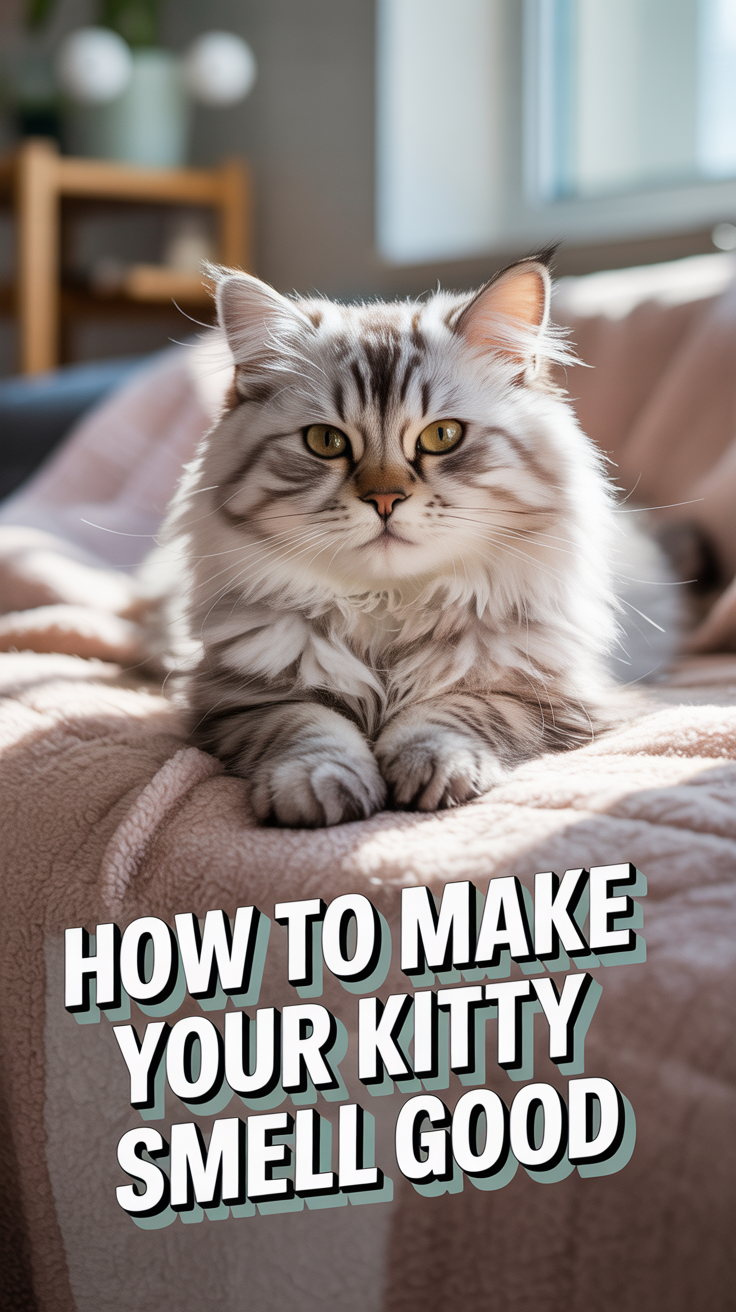
🐈 How To Make Your Kitty Smell Good
Ever snuggled up with your adorable feline overlord, only to catch a whiff of something… less than purr-fect? You love your furry friend to the moon and back, but let’s be honest, sometimes their natural charm comes with a side of “eau de cat.” Don’t fret, fellow cat parent! This guide is your secret weapon to turning your kitty into a snuggle-worthy, fresh-smelling companion, ready for endless cuddles and even a starring role in your next pet photoshoot.

Quick Overview
Get ready to transform your kitty from “frazzled fur ball” to “fragrant furball” with a holistic approach that tackles odors from the inside out and the outside in. We’ll cover everything from grooming to environmental tweaks, ensuring your home smells as good as your cat looks (and smells!).
- Time needed: Varies, from 15 minutes daily to a dedicated 1-hour “spa session” weekly.
- Difficulty: Beginner to Intermediate (depending on your cat’s cooperation level for baths!).
- What you’ll need: Cat brush, cat-specific shampoo (optional), pet-safe wipes, litter box essentials, enzymatic cleaner, pet-friendly air freshener/purifier, and plenty of treats!
Step-by-Step Instructions
Step 1: Brush Away the ‘Fluff-n-Stink’
Think of brushing as your kitty’s daily detox! Loose fur, dander, and environmental debris can cling to your cat’s coat, becoming tiny odor magnets. Regular brushing, especially for long-haired beauties like Persians or majestic Maine Coons, helps remove these culprits, preventing mats and distributing natural skin oils that keep their coat healthy and less prone to accumulating smells.
Start with gentle strokes, working from head to tail. If your cat is new to brushing, make it a positive experience with lots of praise and treats. A soft-bristle brush for sensitive areas and a slicker brush for detangling thicker fur can work wonders. Imagine your cat, post-brush, looking like a supermodel ready for their close-up – that sleek, shiny coat is not just for aesthetics, it’s for freshness too!
Pro tip: Make brushing a bonding moment. Many cats adore the sensation, purring up a storm. It’s a fantastic way to check for any skin issues or unwelcome hitchhikers (hello, fleas!) that might be contributing to less-than-pleasant odors. Plus, a well-groomed cat is a happy cat, and a happy cat makes for the best pet profile pictures – think “regal pose with a hint of playful mischief.”
Step 2: Spot Clean Like a Pro
Not every smell requires a full bath (phew!). Sometimes, your kitty just needs a little freshening up. This is where pet-safe grooming wipes come in handy. Did your adventurous feline decide to investigate under the sofa and emerge with a dusty behind? Or perhaps they had a little “oopsie” in the litter box? Gently wipe down any soiled areas with a pet-specific, unscented wipe.
Focus on areas they might struggle to clean themselves, such as around their tail or paws. These wipes are perfect for a quick refresh between full grooming sessions. They’re also fantastic for senior cats or those with mobility issues who might not be as flexible as they once were. Think of it as a quick “paw-dicure” and “tail-glow-up” all in one!
Pro tip: If your cat is particularly prone to dingleberries or messy bathroom breaks, a quick trim of the fur around their hindquarters (a “sanitary trim”) by a professional groomer can make a world of difference. This isn’t just about smell; it’s about hygiene and comfort for your beloved pet. A clean bum is a happy bum!
Step 3: Master the Litter Box Zen
This might seem obvious, but a stinky litter box is the number one culprit for a stinky cat and a stinky home! Cats are fastidious creatures, and they won’t feel clean if their toilet isn’t. Scoop at least once, ideally twice, a day. This isn’t just about odor control; it’s about preventing bacteria buildup and ensuring your cat feels comfortable using their facilities.
Change the litter completely and scrub the box with mild soap and water (or a pet-safe cleaner) every 1-2 weeks. Avoid harsh chemicals or strong perfumes, as these can deter your cat from using the box. Consider a high-quality, clumping, unscented litter. Some cats are sensitive to perfumes, and what smells good to us might be overwhelming to their keen noses.
Pro tip: Multiple cats? Multiple boxes! The general rule is one litter box per cat, plus one extra. So, if you have two cats, aim for three boxes. This reduces competition, keeps boxes cleaner longer, and gives each kitty their own private porcelain throne. And let’s be real, a clean litter box means more opportunities for adorable, un-stinky cat naps on your lap, which is prime time for those “sleeping angel” pet photos!
Step 4: Feed Their Inner Glow (and Outer Freshness!)
What goes in, often comes out – in more ways than one! A high-quality diet plays a huge role in your cat’s overall health, including their skin and coat condition, and yes, even their breath and body odor. Look for cat food with real meat as the first ingredient, and avoid fillers, artificial colors, and by-products that can lead to digestive issues and skin problems.
A balanced diet rich in essential fatty acids (like Omega-3s and Omega-6s) can promote a healthy, shiny coat that is less prone to dryness and flakiness, which can contribute to dander and odor. If your cat has persistent bad breath, it might be a sign of dental issues, so a vet check-up is always a good idea. Good nutrition means fewer trips to the vet and more opportunities for your cat to pose regally with their healthy, gleaming coat!
Pro tip: Hydration is key! Ensure your cat always has access to fresh, clean water. Consider a pet water fountain, as many cats prefer running water and it encourages them to drink more. Proper hydration supports kidney function and overall health, which indirectly contributes to a healthier, less odorous system. Plus, watching a cat drink from a fountain can be a surprisingly zen and photogenic moment!
Step 5: Create a Scent-sational Sanctuary
Your home environment plays a significant role in your cat’s smell. Even the cleanest kitty can pick up odors from stale air, dirty bedding, or lingering pet smells. Regular cleaning is your best friend here! Vacuum frequently, especially if you have shedding breeds like a Golden Retriever or a fluffy Cavalier King Charles Spaniel who share the space with your cat.
Wash pet bedding, blankets, and your cat’s favorite napping spots regularly. Use pet-safe detergents. Consider an air purifier with a HEPA filter to remove dander and odors from the air. For persistent smells, an enzymatic cleaner is a lifesaver for accidents, breaking down odor molecules rather than just masking them. Open windows to let in fresh air whenever possible.
Pro tip: Avoid strong air fresheners or scented candles, as these can be irritating or even toxic to pets. If you want a pleasant scent, opt for pet-safe essential oil diffusers (research oils carefully, as many are toxic to cats!) or simply keep your home naturally fresh and clean. A fresh-smelling home makes for a beautiful backdrop for candid photos of your pets lounging luxuriously, perhaps a Golden Retriever stretched out on a freshly laundered rug, or a Cavalier curled up on a pristine sofa, looking utterly content.
Step 6: The Occasional Spa Day (Bath, If Needed)
Most cats are self-cleaning machines, but some situations call for a bath: if they’ve rolled in something truly disgusting, have mobility issues, or are a particularly greasy breed (like some Sphynx cats). If a bath is necessary, preparation is key!
- Gather your supplies: Cat-specific shampoo (never human shampoo!), a few towels, a non-slip mat for the tub/sink, and plenty of treats.
- Trim nails: This protects both of you!
- Brush thoroughly: Remove any mats that will only tighten when wet.
- Use lukewarm water: Fill the tub/sink with just a few inches of water.
- Gentle approach: Speak in a calm, soothing voice. Use a cup or shower sprayer (on a very low setting) to wet your cat, avoiding their face.
- Lather and rinse: Apply a small amount of shampoo, gently massage, and rinse thoroughly until no suds remain. Residual shampoo can irritate skin and attract dirt.
- Towel dry: Wrap your cat snugly in a towel and gently rub. Many cats tolerate a quick blow-dry on a low, cool setting, but only if they’re comfortable.
- Reward lavishly: Treats, praise, and cuddles!
Pro tip: If your cat absolutely despises water, don’t force it. Stress can be detrimental to their health. Consider waterless shampoos or professional groomers who specialize in cat bathing. For those rare bath days, capture the silly aftermath – a grumpy, damp cat wrapped in a towel can make for a hilarious and heartwarming “silly animal moment” photo that will be cherished forever!
Step 7: Dental Care for Sparkling Smiles (and Fresher Kisses!)
Bad breath isn’t just unpleasant; it’s often a sign of dental disease, which can lead to more serious health issues. Just like us, cats need dental hygiene. Regular dental care can significantly improve your cat’s overall smell and health.
- Dental treats: Look for VOHC (Veterinary Oral Health Council) approved dental treats that help reduce plaque and tartar.
- Dental-specific food: Some cat foods are specially formulated to clean teeth as your cat chews.
- Toothbrushing: If your cat tolerates it, brush their teeth daily or a few times a week with a pet-specific toothbrush and toothpaste (never human toothpaste!). Start slowly, introducing the brush and paste gradually.
- Professional dental cleanings: Your vet might recommend professional cleanings under anesthesia, especially if significant plaque or tartar buildup is present.
Pro tip: Start dental care early when your cat is a kitten to get them accustomed to it. Even if you can’t brush every day, any effort helps. A healthy mouth means your cat’s purrs will be sweeter and their occasional “head bonks” will come with fresh-smelling affection, making them even more irresistible for those close-up “smooch-worthy” pet profile pics!
Common Mistakes to Avoid
- Using Human Products: Human shampoos, soaps, or perfumes are formulated for human skin pH levels and can be irritating, drying, or even toxic to cats. They can strip natural oils, leading to skin issues and actually worsen odors. Always use cat-specific, vet-approved products.
- Over-Bathing: Unless medically necessary or your cat is particularly messy, frequent bathing can dry out your cat’s skin and coat, leading to irritation and potentially increasing oil production as their body tries to compensate, making them smell worse. Most cats only need a bath a few times a year, if at all.
- Neglecting the Litter Box: Thinking “once a day is enough” when you have multiple cats or a particularly busy kitty. A consistently dirty litter box is not only a source of potent odor but can also lead to litter box aversion, causing your cat to find other (less desirable) places to do their business.
- Ignoring Dietary Factors: Feeding low-quality food or neglecting dental care. A poor diet can lead to digestive issues, greasy coats, and bad breath, all contributing to overall odor. A cat’s smell is often a reflection of their internal health.
- Masking Odors Instead of Eliminating Them: Spraying air fresheners directly on your cat or relying solely on scented litter. These only cover up the smell temporarily and can be irritating to your cat’s sensitive respiratory system and skin. Focus on removing the source of the odor first.
Troubleshooting
- “My cat HATES water! How do I bathe them?”
Solution: Don’t force it! If a full bath is absolutely necessary, consider a professional groomer experienced with cats. For less severe messes, focus on spot cleaning with pet-safe wipes or waterless shampoo. Desensitize them gradually to water by starting with a damp cloth, offering treats, and making it a positive experience over time.
- “My cat still smells bad after all this!”
Solution: A persistent or unusual odor often indicates an underlying health issue. Dental disease, skin infections, ear infections, anal gland issues, kidney disease, or even diabetes can cause a distinct smell. Schedule a vet visit to rule out any medical conditions. Your vet can pinpoint the exact cause and recommend appropriate treatment.
- “My cat grooms excessively and still smells.”
Solution: Excessive grooming could be a sign of stress, allergies, or parasites. If they’re grooming so much that their skin is irritated or raw, it can lead to secondary infections and odor. Consult your vet to identify the root cause. They might recommend allergy testing, parasite control, or behavioral interventions to reduce stress.
Key Takeaways
- Regular brushing is crucial for removing dander and distributing natural oils.
- Spot clean with pet-safe wipes for quick refreshes.
- Maintain a pristine litter box environment with daily scooping and regular full changes.
- A high-quality diet and good hydration contribute to a healthy, less odorous coat and breath.
- Keep your home clean and use pet-safe methods for environmental freshness.
- Bathe only when necessary, using cat-specific products, and make it a positive experience.
- Don’t forget dental care for fresher breath and overall health.
- Persistent odors warrant a vet visit to rule out underlying health issues.
Frequently Asked Questions
Q: How often should I bathe my cat?
A: Most healthy cats rarely need a full bath, as they are excellent self-groomers. If your cat gets particularly dirty or has specific health needs (like a Sphynx), once every few weeks to a few months might be appropriate. For the average indoor cat, focus on brushing and spot cleaning.
Q: Can I use baking soda to deodorize my cat or their litter box?
A: While baking soda can be effective in absorbing odors in the litter box, avoid applying it directly to your cat. Ingesting large amounts of baking soda can be harmful, and it can dry out their skin. Stick to pet-safe products for direct contact with your feline friend.
Q: My cat’s breath smells really bad. Is that normal?
A: No, consistently bad breath (halitosis) is not normal for cats and is often a sign of dental disease, like gingivitis or periodontitis. It can also indicate other health problems. It’s best to have your vet check your cat’s teeth and overall health if you notice persistent bad breath.
Q: What if my cat gets stressed by grooming?
A: Take it slow! Introduce grooming tools gradually, associate them with positive experiences (treats, praise), and keep sessions short. For highly stressed cats, consider consulting a professional groomer or your vet for advice on calming techniques or anti-anxiety aids.
What’s Next?
Now that your kitty is smelling like a dream, the world is your oyster (or rather, your cat’s tuna can)! Enjoy those extra-long cuddle sessions without a single whiff of doubt. Why not celebrate your success by planning a pampering day for all your fur babies?
- Master the Art of Pet Photography: With your fresh-smelling feline (and perhaps your equally adorable Golden Retriever or Cavalier King Charles Spaniel!), it’s the perfect time to capture some Instagram-worthy moments. Experiment with natural light, silly props (like a tiny hat!), or candid shots of them napping in sunbeams. Think “aesthetic pet photography inspiration” for your next home decor project!
- DIY Pet Treats: Explore making homemade dog treats or cat treats. Not only are they healthier, but your pets will adore the extra effort. Imagine a batch of pumpkin-peanut butter biscuits for your Golden Retriever, or salmon flakes for your cat – made with love, by you!
- Plan a Pet Birthday Party: Has your furry friend’s birthday or “gotcha day” passed recently? Why not plan a belated celebration? Simple pet birthday ideas include a special meal, new toys, and a pet-friendly cake. Invite their favorite human (or even well-behaved furry) friends for a memorable day!
- Deep Dive into Pet Wellness: Continue your journey as an amazing pet parent by researching other aspects of pet wellness, from enrichment toys to behavior training. A happy, healthy pet is a sweet-smelling pet!
Remember, a fresh-smelling kitty isn’t just about pleasant odors; it’s a sign of a healthy, well-cared-for pet. So go forth, embrace the snuggles, and enjoy every purr-fect moment with your wonderfully fragrant feline! Your inner cat lady (and dog mom!) will thank you.